
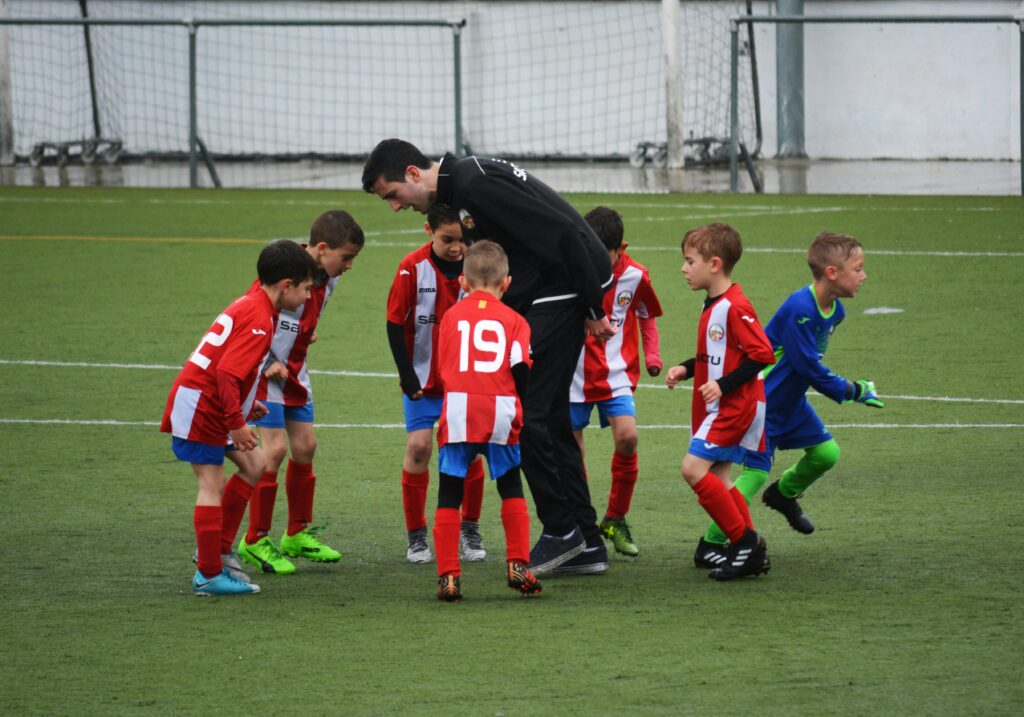
How to Structure a 60-Minute Soccer Training Session
A well-structured training session is one of the most important tools a coach can use. It keeps players engaged, ensures consistent development, and eliminates wasted time. Whether you're coaching U8 or U14, a 60-minute session can be incredibly effective when organized with purpose.
Great sessions aren’t built around “cool drills”—they’re built around clear phases that flow together. Here’s how to design a 60-minute practice that maximizes touches, teaches real game concepts, and keeps players excited to come back.
The Four Phases of a Strong Training Session
Every effective session includes these four components:
- Warm-Up: Prepare the body and mind
- Technical Work: Build core skills
- Tactical Activity: Teach decision-making and game concepts
- Game Play: Apply everything in realistic situations
When these phases flow smoothly, players stay focused and improve faster.
Time Breakdown for Different Age Groups
U8–U10 (Younger Players)
- Warm-Up: 8 minutes
- Technical Work: 15 minutes
- Tactical Activity: 12 minutes
- Game Play: 20 minutes
- Wrap-Up: 5 minutes
U11–U14 (Older Players)
- Warm-Up: 10 minutes
- Technical Work: 20 minutes
- Tactical Activity: 15 minutes
- Game Play: 15 minutes
- Wrap-Up: 5 minutes
Older players can handle more complexity and intensity, while younger players need more simplicity and fun.
Phase 1: Warm-Up (8–10 Minutes)
The warm-up should be dynamic, fast-paced, and include ball touches. A good warm-up:
- Raises heart rate
- Improves mobility
- Activates soccer-specific muscles
- Gets players mentally engaged
Examples:
- Jogging → high knees → shuffles
- Ball touches (toe taps, foundations)
- Short accelerations
Phase 2: Technical Work (15–20 Minutes)
This is the “skill-building” portion of practice. Focus on one technical topic per session:
- Passing and receiving
- Dribbling and ball control
- Shooting technique
- First touch
Keep drills simple, high-repetition, and game-like. Avoid long lines or waiting.
Examples:
- Partner passing with movement
- Dribbling through cone patterns
- First-touch directional control
- Shooting from different angles
Phase 3: Tactical Activity (12–15 Minutes)
This phase teaches players how to apply skills in real situations. Tactical concepts include:
- Spacing and support
- Defensive pressure and cover
- Transition moments
- Decision-making under pressure
Examples:
- 3v2 overloads
- 4v4 directional play
- Rondo variations
- Gate passing games
Ask questions instead of giving commands—this helps players think for themselves.
Phase 4: Game Play (15–20 Minutes)
This is where everything comes together. Keep the game small-sided to maximize touches:
- 3v3 or 4v4
- Mini-goals or end zones
- Constraints (two-touch, directional play)
Let players play freely, but reinforce the session’s main theme.
How to Adapt When Attendance Is Low
Low numbers happen—don’t waste the session. Adjust quickly:
- Use 1v1 and 2v2 drills
- Play rondos with fewer players
- Increase touches and intensity
- Focus on individual development
Small groups can actually create excellent learning environments.
Example 60-Minute Session Plan
Minutes 1–10: Warm-Up
- Dynamic movement
- Ball activation
Minutes 11–30: Technical Work
- Passing and receiving drills
- Directional first touch
Minutes 31–45: Tactical Activity
- 3v2 overload game
- Focus on spacing and support
Minutes 46–60: Small-Sided Game
- 4v4 with mini goals
- Encourage quick decisions
Final Thoughts
A 60-minute session can be incredibly productive when structured with purpose. By following a clear flow—warm-up, technical work, tactical activity, and game play—you create an environment where players learn, improve, and stay excited about soccer.