
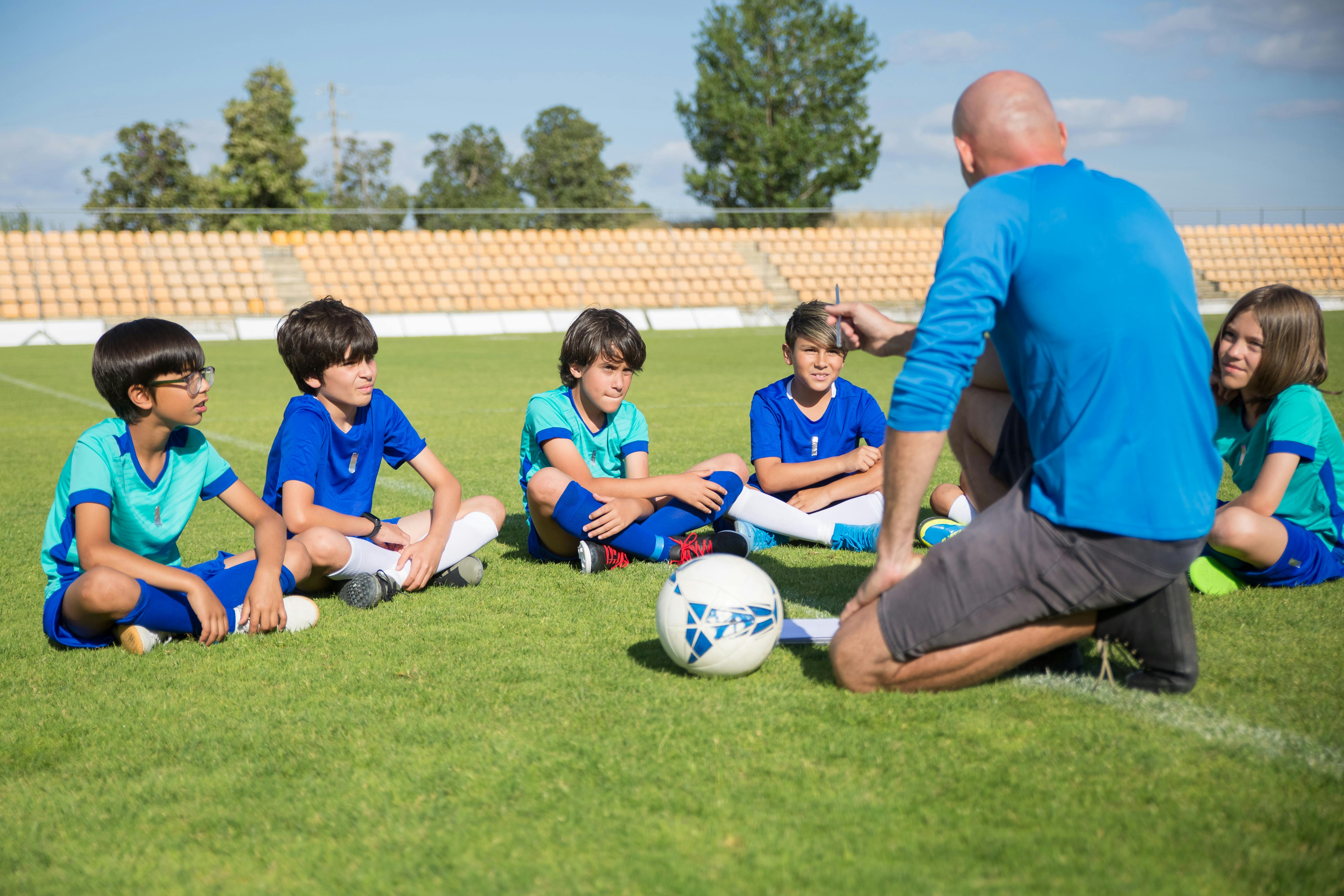
 Youth Soccer Coaching Strategies for Building Trust and Team Unity
As a youth soccer coach, I have discovered that the most effective youth soccer coaching strategies revolve around cultivating trust and team unity. Technical skills matter, but a fractured team rarely performs well. I have seen groups of talented players fail because they lacked cohesion. Conversely, I have watched average teams exceed expectations through sheer collective will. My experience has taught me that building trust in youth soccer teams is not a luxury—it is a necessity. This article explores actionable methods to create a positive team environment for success. I will share specific drills, communication techniques, and conflict resolution tactics. These insights come from years of trial and error on the field. My goal is to help you transform your squad into a unified, resilient unit. Let us begin by examining why unity matters so deeply in youth soccer.
Importance of Team Unity in Soccer Coaching
Team unity forms the bedrock of any successful youth soccer program. Without it, individual talent remains isolated. I have observed that unified teams communicate better and recover from setbacks faster. Research from the Journal of Sports Sciences indicates that team cohesion directly correlates with performance outcomes. In my own coaching, I have seen this principle play out repeatedly. When players trust each other, they take calculated risks. They pass into tight spaces, knowing a teammate will be there. This trust reduces hesitation and increases offensive fluidity.
The Psychological Foundation of Unity
Unity begins with psychological safety. Young athletes need to feel accepted. I prioritize creating an environment where mistakes are learning opportunities. When a player misplays a ball, I avoid public criticism. Instead, I offer constructive feedback later. This approach reduces anxiety and promotes experimentation. A study from the Psychology of Sport and Exercise confirms that supportive climates enhance intrinsic motivation. I have found that players who feel safe are more willing to try new skills. They also recover quickly from errors during games. This psychological safety is the first step toward genuine team cohesion.
Unity Enhances Tactical Execution
Tactical systems require collective understanding. I have learned that a unified team executes complex formations more effectively. For example, a high press demands coordinated movement. If one player hesitates, the entire system breaks down. Trust allows players to anticipate each other’s actions. I spend significant practice time on small-sided games that force collaboration. These games mimic match conditions and build instinctive connections. Over time, players develop a shared language of movement. This shared language is the hallmark of a truly united team. It transforms individual contributors into a cohesive unit.
Long-Term Benefits of Unity
The benefits of team unity extend beyond the current season. Players who experience strong team bonds often continue playing longer. They develop social skills that serve them in school and life. I have seen former players credit their soccer teams for teaching them cooperation. This long-term impact is why I prioritize unity over short-term wins. Winning is important, but it is not the sole objective. Building trust in youth soccer teams creates lifelong memories and friendships. These bonds often transcend the sport itself. My players frequently stay in touch years after leaving the team. This enduring connection is the ultimate measure of coaching success.
Establishing Clear Communication Channels
Effective communication is the engine of team unity. Without clear channels, misunderstandings arise. I establish communication norms from the first practice. I explain that every player has a voice. I also model active listening by repeating player concerns back to them. This validation builds immediate trust. A study by the Human Kinetics Journal emphasizes that open communication reduces conflict. I have found this to be true in my own teams.
Creating a Feedback Loop
Feedback must flow both ways. I hold weekly check-ins where players can share concerns anonymously. This practice has uncovered issues I would have missed otherwise. For instance, a player once revealed feeling excluded during drills. I adjusted the drill structure to ensure equal participation. This simple change transformed that player’s engagement. I also provide specific, actionable feedback to each player. I avoid vague praise like “good job.” Instead, I say, “Your movement off the ball created space for Sarah.” This specificity reinforces positive behaviors. It also shows players that I am paying attention to their contributions.
Non-Verbal Communication Cues
Body language speaks volumes in youth soccer. I teach players to recognize non-verbal signals from teammates. A slumped posture may indicate frustration. A clenched fist might signal determination. I encourage players to check in with each other during games. A simple pat on the back can reset a teammate’s mindset. I also model positive body language myself. I maintain an open stance during sideline coaching. I avoid crossing my arms or turning away from the field. These small actions communicate approachability. Players learn that they can come to me with any concern. This openness is crucial for creating inclusive soccer team environments.
Digital Communication Tools
Modern teams benefit from digital tools. I use a team messaging app for schedule updates and motivational messages. However, I set clear boundaries. I do not allow negative comments about teammates in the group chat. I also post video clips of positive plays from games. This reinforces good habits and celebrates collective success. I send a weekly newsletter highlighting a different player’s contributions. This rotates attention and prevents cliques from forming. Digital tools should supplement, not replace, face-to-face interaction. I always encourage players to speak directly to resolve issues. This balance keeps communication channels healthy and effective.
Promoting Trust and Collaboration Among Players
Trust is the currency of team success. Without it, collaboration falters. I use specific strategies to build trust incrementally. One effective method is the “trust fall” drill adapted for soccer. Players pair up and guide each other through an obstacle course blindfolded. This exercise builds reliance on verbal cues. I also use partner passing drills that require precise timing. These drills teach players to depend on each other. Over time, this dependence becomes natural. Players begin to trust instinctively during games.
Shared Goal Setting
I involve the entire team in setting season goals. We discuss both performance and process objectives. For example, we might aim for a certain number of assists per game. We also set a goal for practicing positive reinforcement techniques soccer. This shared ownership creates accountability. Players hold each other responsible for these goals. I have seen teammates remind each other to stay positive during tough matches. This peer accountability is more powerful than any coach’s lecture. It stems from a collective commitment to the team’s vision.
Rotating Leadership Roles
I rotate captaincy and leadership roles throughout the season. This gives every player a chance to guide the team. A quiet player might lead warm-ups one week. A vocal player might handle post-game speeches another week. This rotation breaks down social hierarchies. It also reveals hidden leadership qualities. I have watched shy players blossom when given responsibility. This practice directly contributes to building trust in youth soccer teams. It shows that every member is valued. No single player holds all the power. This democratic approach fosters mutual respect.
Celebrating Collaborative Success
I make it a point to celebrate assists as much as goals. In team meetings, I highlight passes that led to scoring opportunities. This shifts focus from individual glory to collective achievement. I also reward players who make sacrifices for the team. For example, a player who tracks back to defend deserves recognition. I give out a “team player” award after each game. This award is voted on by the players themselves. This practice reinforces the value of collaboration. It also teaches players to appreciate contributions that do not appear on a stat sheet. Over time, this culture of recognition builds deep trust.
Encouraging Positive Attitudes and Sportsmanship
Positive attitudes are contagious. I model this behavior from the first whistle. I greet every player by name before practice. I thank them for their effort, regardless of the outcome. This sets a standard for how players treat each other. I also address negative behavior immediately. A sarcastic comment toward a teammate is not tolerated. I pull the player aside and explain the impact of their words. This consistent enforcement creates a respectful environment. Sportsmanship is not optional in my program. It is a core expectation.
Positive Reinforcement Techniques Soccer
I use a specific ratio of praise to correction. Research suggests a 5:1 ratio for optimal motivation. I strive to acknowledge five positive actions for every constructive critique. This does not mean ignoring mistakes. It means framing feedback within a positive context. For instance, I might say, “Great effort on that tackle. Next time, try to keep your body between the ball and the attacker.” This approach maintains the player’s confidence while offering guidance. I also encourage players to use positive reinforcement techniques soccer with each other. A high-five after a good play goes a long way. I teach them specific phrases like “nice shift” or “good recovery.” These small gestures build a supportive culture.
Handling Adversity with Grace
Losses and mistakes are inevitable. How a team responds defines its character. I prepare my players for adversity through simulation drills. We practice scenarios where we are down a goal with ten minutes left. I emphasize composure and mutual support during these drills. After a loss, I avoid assigning blame. Instead, I ask the team what they learned. This reframes failure as a learning opportunity. I have seen teams bounce back stronger after adopting this mindset. They understand that a single game does not define them. This resilience is a direct product of positive attitudes and sportsmanship.
Modeling Respect for Officials
I never argue with referees in front of my players. If I have a concern, I address it calmly after the game. This models respect for authority. Players often mimic my behavior. When they see me treat officials with dignity, they do the same. I also teach players to thank referees after every match. This simple act reinforces sportsmanship. It also reduces the likelihood of confrontational behavior. Respect for officials is a key component of creating inclusive soccer team environments. It sets a standard for how we treat all members of the soccer community.
Implementing Team Bonding Activities
Team bonding activities are essential for building trust in youth soccer teams. I schedule these events regularly throughout the season. They provide opportunities for players to connect outside of soccer. These connections translate into better on-field chemistry. I have found that the strongest teams have strong social bonds. These bonds are forged through shared experiences, not just drills.
Fun Soccer Drills for Team Bonding
I incorporate fun soccer drills for team bonding into every practice. One favorite is “king of the hill,” where players compete in small groups to maintain possession. This drill encourages communication and strategy. Another is the “human knot” challenge, where players must untangle themselves without letting go of hands. This requires patience and cooperation. I also use relay races that involve passing sequences. These drills are competitive but lighthearted. They build camaraderie through laughter and shared effort. The key is to ensure every player participates. No one sits out during bonding drills. This inclusivity is crucial for team unity.
Off-Field Bonding Events
I organize monthly off-field events. These include pizza parties, bowling nights, or volunteer activities. Community service is particularly effective. We have cleaned up local parks and visited nursing homes. These experiences teach players about empathy and service. They also create memories that last beyond the season. I ensure that these events are affordable for all families. Team funds cover costs when necessary. No player should feel excluded due to financial constraints. These events break down social barriers. Players see each other in a different light. This humanizes teammates and deepens connections.
Seasonal Traditions
Traditions create a sense of belonging. I establish rituals that players look forward to. For example, we have a pre-game handshake line that includes every player. We also have a post-victory chant that the players created themselves. These traditions become part of the team’s identity. They provide continuity from season to season. Returning players teach these traditions to newcomers. This passing of the torch builds a legacy. I also host an end-of-season banquet where we share stories and highlight moments. This celebration reinforces the bonds formed throughout the year. Traditions are a powerful tool for creating inclusive soccer team environments.
Handling Conflicts and Challenges Effectively
Conflict is inevitable in any team setting. I address it promptly and privately. The worst thing a coach can do is ignore tension. Unresolved conflicts fester and poison team culture. I use a structured approach to resolve disputes. First, I listen to each party individually. Then, I facilitate a mediated conversation. I focus on finding common ground rather than assigning blame. This approach preserves relationships while solving the problem.
Common Sources of Conflict
Playing time is the most frequent source of conflict. I address this by being transparent about my criteria. I explain that playing time is earned through effort, attitude, and attendance. I also hold individual meetings with players who are unhappy. I provide a clear path to more playing time. This reduces resentment and speculation. Another common conflict is personality clashes. I pair players who do not get along as drill partners. Forced collaboration often breaks down barriers. I have seen rivals become friends through this method. The key is to intervene early before the conflict escalates.
Coaching Youth Soccer Without Pressure
High-pressure environments fuel conflict. I actively work to reduce pressure on my players. I emphasize process over outcome. We celebrate small victories like a well-executed pass or a strong defensive stand. I avoid comparing players to each other. Each athlete develops at their own pace. I also limit the amount of tactical instruction during games. I want players to think for themselves. This autonomy reduces anxiety and promotes enjoyment. Coaching youth soccer without pressure does not mean lowering standards. It means creating a supportive environment where players can thrive. This approach reduces the likelihood of conflict stemming from stress.
Restorative Practices
When a conflict occurs, I use restorative practices. This involves bringing the affected parties together to discuss the impact of their actions. The goal is not punishment but understanding. I ask questions like, “How did your actions affect the team?” and “What can we do to make things right?” This process teaches accountability and empathy. I have seen players voluntarily apologize after these conversations. The team emerges stronger because the issue is fully resolved. Restorative practices are a cornerstone of my coaching philosophy. They turn conflicts into learning opportunities.
Fostering Leadership Skills Within the Team
Leadership is not limited to the captain. I believe every player can be a leader. I create opportunities for leadership at every practice. This might involve asking a player to lead a warm-up. It might mean letting a player design a drill. These opportunities build confidence and initiative. Over time, players develop their own leadership styles. Some are vocal, while others lead by example. Both are valuable.
Formal Leadership Training
I hold leadership workshops for interested players. We discuss communication styles, conflict resolution, and motivation techniques. I use case studies from professional sports. We analyze how leaders like Megan Rapinoe or Lionel Messi influence their teams. Players practice giving constructive feedback in role-playing exercises. These workshops equip players with tangible skills. They also demonstrate that I invest in their development beyond soccer. This investment builds loyalty and trust. Many of my former players credit these workshops for their success in school and work.
Peer Mentorship Programs
I pair older players with younger ones in a mentorship program. The mentor helps the mentee with drills and provides emotional support. This relationship builds cross-age bonds. It also teaches the mentor responsibility. I check in with each pair regularly to see how the relationship is progressing. This program has been highly effective. Younger players feel supported, and older players gain valuable leadership experience. It also reduces the likelihood of bullying. When older players feel responsible for younger ones, they protect them. This creates a family-like atmosphere within the team.
Empowering Player-Led Initiatives
I encourage players to propose their own team activities. For example, a player once suggested a team hike on an off day. I helped them organize it, but the player took the lead. These initiatives build ownership. Players feel invested in the team’s culture. I also let players lead parts of practice. They might design a finishing drill or a defensive exercise. This empowers them to take ownership of their development. It also shows that I trust their judgment. This trust is reciprocated through increased effort and engagement. Empowering players is one of the most effective youth soccer coaching strategies.
Measuring and Improving Team Performance
Improvement requires measurement. I use both quantitative and qualitative metrics. Quantitatively, I track passing accuracy, possession rates, and goals conceded. Qualitatively, I assess body language, communication frequency, and conflict instances. This data helps me identify areas for improvement. I share this information with the team in a constructive way. We celebrate progress and set new goals.
Team Performance Surveys
I administer anonymous surveys every month. Players rate their sense of belonging, trust in teammates, and enjoyment. This data reveals trends I might miss. For example, a dip in enjoyment might indicate a problem with drill design. I adjust my coaching based on this feedback. This practice shows players that their opinions matter. It also gives me a concrete way to measure team unity. I have used this data to change practice structures and address interpersonal issues. The surveys are a vital tool for continuous improvement.
Video Analysis for Teamwork
I use video analysis to highlight teamwork. I create compilations of positive team plays, such as a sequence of passes leading to a goal. I also show moments where communication broke down. We discuss what could have been done differently. This analysis is never used to shame individual players. It is always framed as a team learning opportunity. Video analysis helps players see the impact of their actions on the team. It reinforces the importance of trust and collaboration. This tool has been instrumental in improving our team performance.
Adjusting Strategies Based on Data
I am not rigid in my approach. If the data suggests a strategy is not working, I change it. For example, I once noticed that our passing accuracy dropped in the second half. I adjusted our fitness training to address fatigue. The result was a significant improvement. I also adjust bonding activities based on player feedback. If a particular drill is not resonating, I replace it. This flexibility shows players that I am responsive to their needs. It also models a growth mindset. The best youth soccer coaching strategies are those that evolve with the team. Continuous improvement is the goal.
Conclusion
Building trust and team unity in youth soccer is a deliberate process. It requires clear communication, intentional bonding, and consistent reinforcement of positive values. I have shared strategies that have worked for my teams over many seasons. These methods are not theoretical. They are grounded in real-world experience and supported by research. I encourage you to implement these youth soccer coaching strategies gradually. Start with one or two changes and observe the impact. You will likely see improvements in both team morale and performance. Remember that the goal is not just to win games. It is to develop young people who understand the power of collaboration. When you create a positive team environment for success, everyone benefits. The lessons learned on the field will serve your players for a lifetime.