
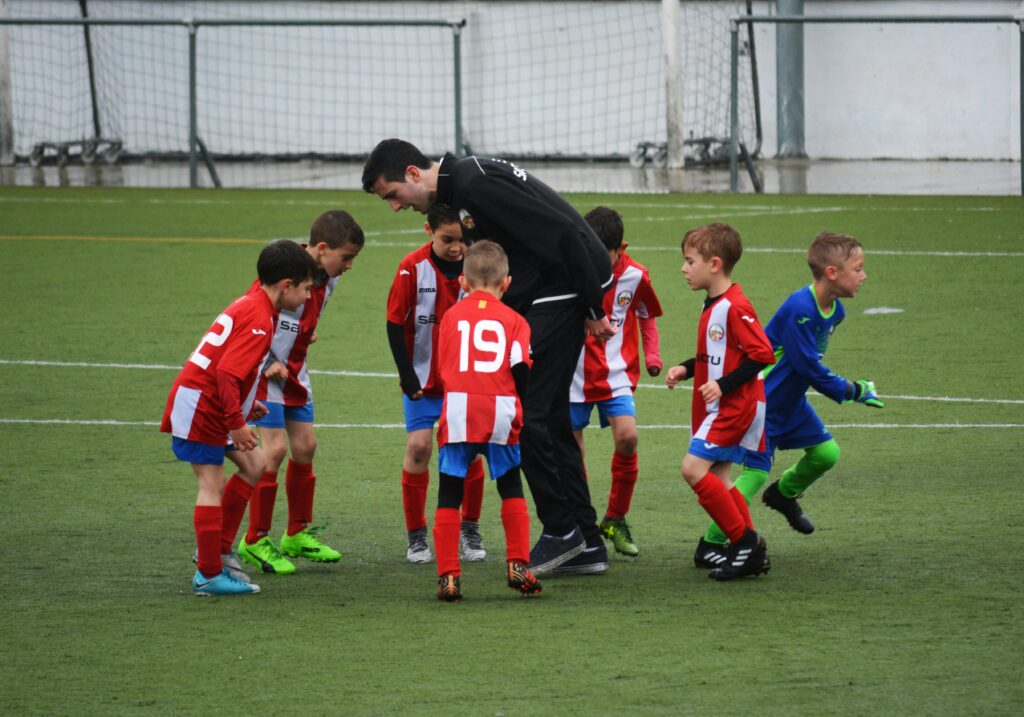
5 Key Strategies for Effectively Coaching Youth Soccer
Coaching youth soccer is both a challenging and rewarding experience that requires dedication, patience, and a clear understanding of effective youth soccer coaching techniques. As a coach, your role extends beyond teaching the basics of the game—it involves motivating young athletes, developing their skills, and fostering teamwork. This article explores five essential strategies to elevate your coaching approach and build a successful, cohesive team. By integrating these methods, you can enhance player development, create a positive environment, and inspire a lifelong love for soccer among your players.
Introduction to Coaching Youth Soccer
Coaching youth soccer demands a unique blend of technical knowledge and interpersonal skills. Unlike adult teams, young players require a focus on fundamental skill development paired with encouragement and structure. Effective youth soccer coaching techniques prioritize age-appropriate drills, clear communication, and creating an atmosphere where kids feel supported and enthusiastic about learning.
One critical foundation is understanding that each player is at a different stage of physical and cognitive development. This diversity means coaches must tailor their training sessions and expectations accordingly. For instance, drills that work well with ten-year-olds might be too complex or too simple for younger or older players.
Another important consideration is motivation. Young players often thrive on positive reinforcement rather than criticism. Developing a coaching style that emphasizes effort and improvement helps maintain player confidence and engagement. This approach not only improves individual skills but also encourages players to contribute positively to the team.
Establishing clear goals for the season and communicating them with players and parents creates transparency and commitment. These goals might include mastering basic passing techniques, understanding positioning, or enhancing overall fitness. Setting measurable objectives allows both coaches and players to track progress and celebrate achievements.
Incorporating fun elements into practice sessions is also essential. Youth players respond well to enjoyable activities that keep them active and interested. Fun drills combined with skill-building exercises can significantly enhance learning outcomes and team morale.
Understanding the Developmental Stages of Young Players
Young athletes progress through distinct developmental stages that influence how they learn and perform in soccer. Recognizing these stages enables coaches to implement age-appropriate training programs that optimize skill acquisition and physical growth.
Early Childhood (Ages 4-7)
At this stage, children are developing basic motor skills such as running, jumping, and coordination. Training should focus on simple activities that promote balance and body awareness rather than structured tactics or complex instructions. Coaches can use games that involve dribbling, basic passing, and shooting into large goals to build foundational skills.
Middle Childhood (Ages 8-12)
Players begin to refine their technical abilities and develop better spatial awareness. This stage is ideal for introducing fundamental soccer concepts such as positioning, passing accuracy, and teamwork. Drills should encourage repetition and gradual skill progression. Developing soccer fundamentals for kids during these years sets the stage for more advanced tactics.
Adolescence (Ages 13-18)
At this level, players often experience rapid physical growth and increased understanding of complex gameplay. Coaches can introduce more strategic elements and specialized training focused on conditioning, decision-making, and game psychology. Emphasizing individual roles and responsibilities within the team helps foster maturity and tactical awareness.
Data from youth sports research shows that tailored coaching aligned with developmental stages enhances skill retention and reduces injury risk. According to the American Academy of Orthopaedic Surgeons, age-appropriate training prevents overuse injuries and promotes long-term athlete development.
Creating a Positive and Supportive Learning Environment
The environment in which youth players train and compete dramatically affects their motivation, confidence, and overall enjoyment of the sport. Coaches must cultivate a positive atmosphere that encourages learning, respect, and inclusivity.
Establishing Team Culture
Building a team culture grounded in respect, effort, and teamwork sets clear behavioral expectations. Coaches should model sportsmanship and encourage players to support each other during practices and matches. Recognizing both individual and team achievements reinforces positive behavior and dedication.
Encouraging Growth Mindset
Promoting a growth mindset helps players view challenges as opportunities to improve rather than obstacles. This approach reduces fear of failure and increases resilience. Coaches can foster this mindset by praising effort, perseverance, and learning from mistakes rather than focusing solely on winning.
Parental Involvement and Communication
Engaging parents as partners in the coaching process enhances the supportive environment. Clear communication about schedules, expectations, and player progress keeps parents informed and involved. Addressing concerns promptly and professionally builds trust and prevents misunderstandings.
Creating a positive environment also involves managing conflicts constructively. When disagreements arise between players or parents, coaches should mediate calmly and seek mutually beneficial solutions.
Effective Communication Techniques for Coaches
Communication is a core component of successful youth soccer coaching techniques. How coaches convey instructions, feedback, and encouragement directly influences player understanding and motivation.
Using Clear and Concise Language
Young players benefit from simple, direct instructions tailored to their comprehension level. Avoiding jargon and complex explanations ensures players grasp key concepts quickly. For example, instead of saying “optimize your positioning,” say “stay between the ball and your goal.”
Active Listening and Feedback
Coaches should actively listen to players’ questions, concerns, and ideas. Validating their input fosters a sense of respect and belonging. Providing timely, constructive feedback helps players correct errors and improve skills. For instance, praising a well-executed pass encourages repetition of that behavior.
Non-Verbal Communication
Body language, facial expressions, and gestures contribute significantly to how messages are received. Maintaining eye contact, smiling, and using encouraging gestures create a welcoming atmosphere. Coaches should also be mindful of their tone to avoid unintentionally discouraging players.
Communication with Parents and Staff
Keeping open lines of communication with parents and assistant coaches ensures consistency in messaging and expectations. Regular updates through meetings, emails, or team apps help manage logistics and foster collaboration.
Incorporating Fun and Engaging Drills in Practice
Fun and engaging drills are vital for sustaining interest and promoting skill development during youth soccer training. The best drills for youth soccer players combine technical practice with game-like scenarios and enjoyable challenges.
Drill Types That Build Fundamentals
- Dribbling Circuits: Players navigate cones or obstacles to improve ball control and agility.
- Passing Relays: Teams compete to complete accurate passes in sequence, reinforcing teamwork and precision.
- Shooting Challenges: Small-sided games focused on shooting accuracy and decision-making.
Incorporating Competition and Rewards
Introducing friendly competition motivates players to push their limits while keeping practices lively. Reward systems such as stickers, small prizes, or verbal recognition maintain enthusiasm. Rotating leadership roles during drills empowers players and encourages responsibility.
Balancing Skill Development with Enjoyment
Coaches must strike a balance between focused training and enjoyable activities. Overemphasis on drills can lead to burnout, while too much play might limit skill progression. Integrating fun games like “sharks and minnows” or “capture the flag” with skill-based drills offers variety and keeps players engaged.
Building Team Cohesion Through Team-Building Activities
Team cohesion is critical for youth soccer success. Players who trust and support one another perform better collectively. Team-building activities strengthen relationships and promote a sense of unity, which translates to improved on-field collaboration.
Examples of Effective Team-Building Activities
- Trust Falls: Players practice falling backward into teammates’ arms to build trust.
- Group Challenges: Activities like obstacle courses or relay races requiring teamwork.
- Goal-Setting Sessions: Players share individual and team goals to foster accountability and shared purpose.
Integrating Team-Building into Regular Practice
Short team-building exercises at the start or end of practice keep the momentum going without consuming excessive training time. Encouraging players to celebrate successes together enhances camaraderie.
Measuring Team Cohesion
Coaches can assess cohesion through observation and feedback. Signs of good cohesion include effective communication, mutual support during games, and player willingness to help teammates improve. If issues arise, targeted interventions such as conflict resolution or additional team activities can restore harmony.
Fostering Confidence in Young Athletes
Confidence is a crucial attribute that influences youth players’ performance and enjoyment of soccer. Coaches play a pivotal role in building this trait through positive reinforcement, skill development, and creating safe opportunities for risk-taking.
Techniques to Build Confidence
- Focus on Strengths: Highlighting individual talents increases self-belief.
- Incremental Challenges: Gradually increasing task difficulty allows players to experience success progressively.
- Positive Feedback: Specific praise related to effort and improvement encourages continued growth.
Addressing Common Confidence Barriers
Fear of mistakes or peer judgment often hinders young athletes. Coaches can normalize errors as a natural part of learning and emphasize that every player contributes uniquely to the team’s success.
Role of Goal-Setting
Setting achievable, personalized goals helps players track progress and feel a sense of accomplishment. These goals can range from mastering a new skill to improving fitness or teamwork.
Example: Confidence Gains Through Leadership Roles
Assigning leadership roles such as team captain or drill leader empowers players and reinforces their value within the group. This responsibility often translates into increased confidence both on and off the field.
Conclusion: Implementing Key Strategies for Success
Effective youth soccer coaching techniques encompass understanding player development stages, fostering a positive learning environment, communicating clearly, integrating engaging drills, building team cohesion, and boosting player confidence. Each strategy contributes uniquely to creating a well-rounded team capable of growth and success. By applying these methods thoughtfully, coaches can nurture young athletes who not only improve their soccer skills but also develop valuable life attributes such as teamwork, resilience, and self-esteem. These foundational experiences will serve them well beyond the soccer field.
Frequently Asked Questions
What are the most effective ways to motivate young soccer teams?
Motivating young teams involves positive reinforcement, setting achievable goals, and incorporating fun activities. Recognizing individual efforts and fostering a team environment where players feel valued encourages ongoing enthusiasm and commitment.
How can I tailor drills to different skill levels in my youth soccer team?
Modify drills by adjusting complexity, pace, and competition level. For beginners, simplify tasks and focus on basic skills. For advanced players, increase drill intensity or add tactical elements. Grouping players by ability during drills ensures everyone benefits.
What common mistakes should beginner coaches avoid?
Beginner coaches often focus too much on winning, neglect age-appropriate drills, and provide excessive criticism. Avoid these by prioritizing skill development, encouraging effort, and maintaining a supportive atmosphere that values learning over scores.
How do I measure progress in developing soccer fundamentals for kids?
Track improvements through skill assessments, such as passing accuracy, dribbling control, and shooting consistency. Observing game performance and soliciting feedback from players and parents also provide insights into development.
What role does nutrition play in youth soccer performance?
Proper nutrition fuels energy, supports growth, and aids recovery. Coaches should educate players and parents about balanced diets rich in carbohydrates, proteins, and hydration to enhance performance and reduce injury risk.
How can I handle conflicts between players effectively?
Address conflicts promptly by listening to all parties, encouraging open communication, and facilitating resolution focused on understanding and cooperation. Establishing clear team rules about respect helps prevent future issues.
For further insights on youth coaching methodologies, visit the U.S. Soccer Coaching Education platform and explore resources from the National Alliance for Youth Sports. Additionally, the Soccer Coach Weekly website offers practical drills and coaching tips tailored for youth teams.