
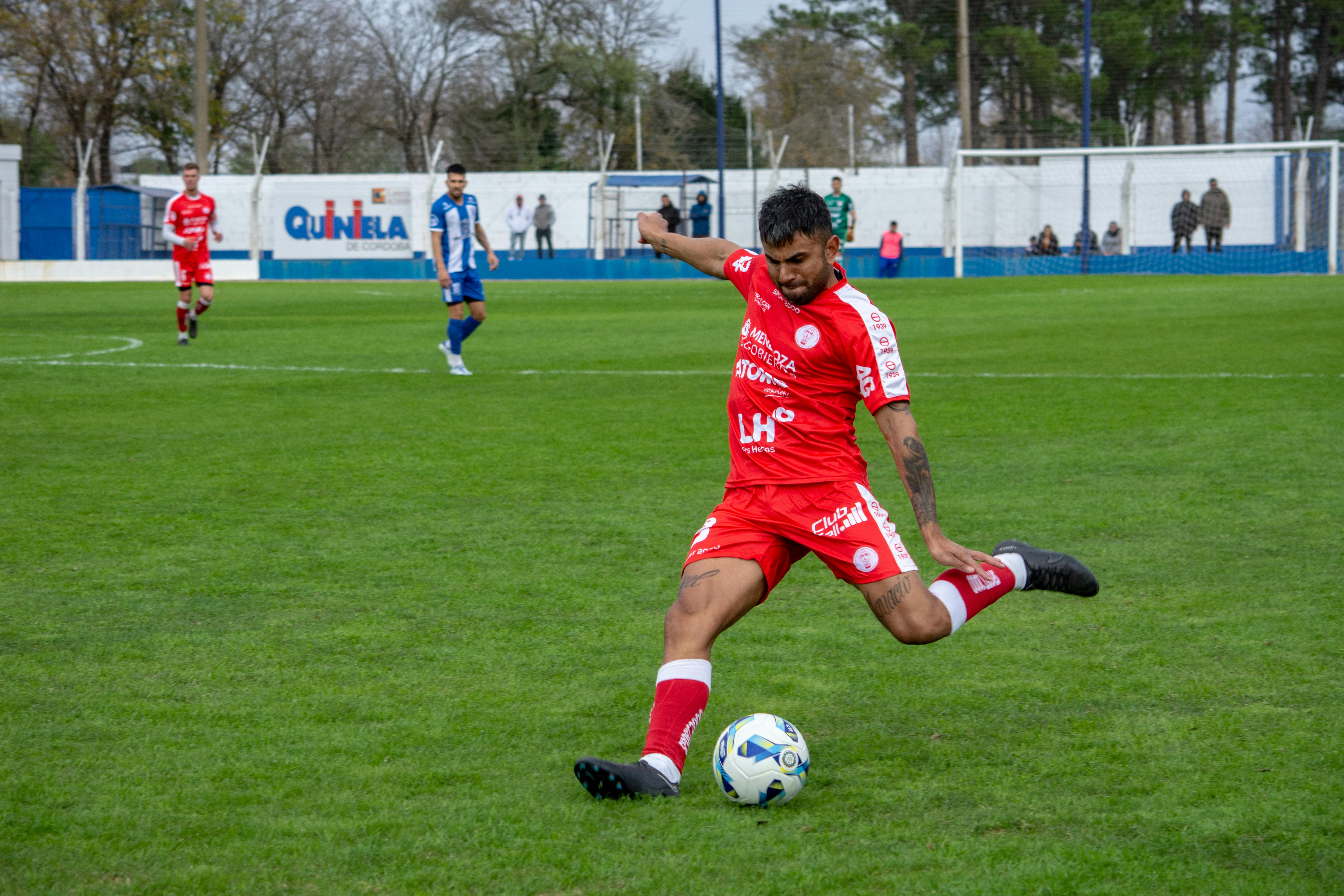
 Soccer Skill Progression Methods for Youth Player Marketing
I have spent years analyzing youth development systems across the globe. One truth remains constant: the most successful clubs do not simply train players; they market a journey. Soccer Skill Progression Methods are the backbone of any effective youth program, acting as both a developmental roadmap and a powerful marketing tool. When parents and young athletes see a clear, structured path to improvement, retention rates soar. In this article, I will dissect the core components of these methods, focusing on how age-appropriate training, cognitive development, and long-term planning create a compelling value proposition. My goal is to provide you with a framework that not only develops better soccer players but also builds a sustainable, marketable youth program.
Key Elements of Youth Player Development
Understanding the foundational pillars of youth development is essential for any coach or club administrator. I have found that programs which emphasize a holistic approach consistently outperform those that focus solely on match results. The key elements include physical literacy, technical proficiency, tactical awareness, and psychological resilience. Each component must be introduced at the appropriate developmental stage to maximize a player’s potential and maintain their engagement with the sport.
Physical Literacy as a Foundation
Physical literacy is the cornerstone of long-term athletic development soccer programs. I define this as the ability to move with competence and confidence in a wide variety of physical activities. For young players, this means developing fundamental movement skills like running, jumping, balancing, and changing direction before specializing in soccer-specific movements. Research from Sport for Life indicates that children who develop strong physical literacy are more likely to remain active in sports throughout their lives. In my experience, a youth soccer program that markets itself as a place where children build overall athleticism, not just soccer skills, attracts a broader base of families.
I recommend integrating games that challenge coordination and spatial awareness into every training session. For example, a simple tag game with directional changes improves agility more effectively than repetitive cone drills for six-year-olds. This approach aligns with age-appropriate training drills for youth, ensuring that the physical demands match the child’s developmental capacity. Clubs that highlight this evidence-based methodology in their marketing materials often see higher registration numbers and lower dropout rates.
Technical Proficiency Through Repetition
Technical skills in soccer, such as dribbling, passing, and shooting, require thousands of repetitions to become automatic. However, I caution against mindless drills. The most effective technical training occurs within game-like scenarios that force decision-making. For instance, a passing drill that includes a defender pressuring the ball holder teaches both technique and tactical awareness simultaneously. This dual focus is a hallmark of advanced Soccer Skill Progression Methods.
I have observed that clubs which break down technical skills into manageable, progressive steps retain players more effectively. A player who masters a simple inside-of-the-foot pass before moving to a driven pass with the laces feels a sense of accomplishment. This incremental success is a powerful motivator. Marketing materials should emphasize this step-by-step journey, showing parents exactly how their child will progress from beginner to competent player. Data from U.S. Soccer’s coaching education confirms that player-centered, game-based learning environments produce superior technical outcomes compared to traditional command-style coaching.
Importance of Mental Toughness in Soccer
Mental toughness is not an innate trait; it is a skill that can be taught and cultivated. I believe this is one of the most underappreciated aspects of youth player development. Players who can manage pressure, recover from mistakes, and maintain focus during a 90-minute match have a significant advantage over their peers. For clubs looking to market their programs, highlighting mental toughness training is a powerful differentiator. Parents want their children to learn resilience, not just how to score goals.
I incorporate specific cognitive soccer skills for young players into every training session. These include exercises that improve attention span, pattern recognition, and emotional regulation. For example, I use a drill where players must make a decision with the ball within three seconds of receiving a pass, simulating the time pressure of a real game. This trains the brain to process information quickly and execute under duress. Clubs that advertise this cognitive component often attract families who value character development alongside athletic achievement.
Building Resilience Through Structured Challenges
Resilience is built when a player faces a challenge and overcomes it with support. I design training sessions that deliberately create adversity. A small-sided game where one team is down by a goal with five minutes remaining teaches players how to handle pressure and fight back. The key is to debrief these experiences afterward, helping players understand their emotional responses and develop coping strategies. This approach is a core component of long-term athletic development soccer programs.
I also teach players a simple reframing technique. After a mistake, I encourage them to say, “That happened, now what?” instead of dwelling on the error. This shifts their focus from the past to the present, allowing them to re-engage with the game. Marketing this psychological training is highly effective. I have seen clubs create entire marketing campaigns around their “mental toughness curriculum,” which resonates deeply with parents who worry about their children’s ability to handle the pressures of competitive sports.
Goal Setting for Young Athletes
Goal setting is a practical tool for building mental toughness. I teach players to set process-oriented goals rather than outcome-oriented goals. For example, a process goal might be “make five successful passes in the first half,” while an outcome goal is “score a goal.” Process goals are within the player’s control, which reduces anxiety and builds confidence. I have found that players who focus on process goals perform better and enjoy the game more.
I recommend that youth clubs implement a structured goal-setting program and market it as part of their player development package. This demonstrates a commitment to the individual growth of each athlete. When parents see that their child is learning life skills like goal setting and self-reflection, they are more likely to remain loyal to the club. This is a key factor in player retention strategies in youth clubs, as families feel invested in a program that cares about the whole person, not just the athlete.
Technical Skills Training for Young Players
Technical skill development must be systematic and progressive. I have developed a multi-stage approach that begins with fundamental ball manipulation and advances to complex, game-speed execution. This structure is the essence of Soccer Skill Progression Methods. Each stage builds upon the previous one, ensuring that players develop a solid technical foundation before moving to more advanced concepts. I have seen too many young players struggle because they were asked to perform skills they were not physically or cognitively ready for.
Stage One: Ball Comfort and Dribbling
The first stage focuses on developing comfort with the ball at the feet. I use drills that involve constant ball contact, such as toe taps, sole rolls, and pull-backs. These exercises improve coordination and feel for the ball. I also encourage players to dribble with their heads up, scanning the field for teammates and opponents. This is a fundamental cognitive soccer skill for young players that is often overlooked. A player who can dribble while looking up has a significant advantage over one who must watch the ball.
I incorporate these drills into fun, competitive games. For example, a “sharks and minnows” game where players must dribble through a designated area without losing their ball to a defender. This creates a high-repetition environment in a context that feels like play. Age-appropriate training drills for youth must always prioritize engagement over strict technical perfection. I have found that players who enjoy the practice will practice more on their own, accelerating their development.
Stage Two: Passing and Receiving
Once players are comfortable with the ball, I introduce passing and receiving techniques. I start with short, simple passes using the inside of the foot. The focus is on accuracy and weight of the pass. I then progress to longer passes, driven passes, and one-touch combinations. Receiving skills are equally important. I teach players to cushion the ball with the inside or outside of the foot, and to receive the ball with their body positioned to play forward. This creates a faster, more dynamic style of play.
I use a progression of drills that increase in complexity. A simple two-player passing drill becomes a three-player combination drill, then a drill with a passive defender, and finally a drill with a live defender. This gradual increase in difficulty is a hallmark of youth soccer positional training approaches, as it allows players to master a skill in a low-pressure environment before applying it in a game situation. Clubs that market this structured progression often appeal to parents who want a serious, effective training program for their children.
Building Confidence and Resilience
Confidence is the fuel that powers a player’s performance. I have seen technically gifted players fail because they lacked belief in their abilities. Conversely, I have seen average players achieve great things through sheer confidence and determination. Building confidence is a deliberate process that must be integrated into every aspect of a youth soccer program. This is a critical component of player retention strategies in youth clubs, as confident players are more likely to continue playing.
Creating a Positive Learning Environment
The single most important factor in building confidence is the training environment. I strive to create a space where mistakes are seen as learning opportunities, not failures. When a player makes a mistake, I ask, “What did you learn from that?” rather than criticizing the error. This shifts the player’s mindset from fear of failure to a growth mindset. I also make a point to catch players doing things right and praise specific actions. “Great first touch under pressure” is more effective than a generic “good job.”
I have implemented a “no negative sidelines” policy in my programs. Coaches and parents are asked to only offer positive or constructive feedback during games. This creates a supportive atmosphere that allows players to take risks. Research from the Positive Coaching Alliance shows that athletes who play in a positive environment have higher self-esteem and are more likely to stay in sports. Marketing this philosophy is a powerful way to attract families who are concerned about the negative aspects of youth sports culture.
Celebrating Effort and Progress
I make it a point to celebrate effort and progress, not just results. A player who works hard in training but does not score in the game still deserves recognition. I keep a “progress journal” for each player, noting improvements in specific skills or behaviors. I share these notes with parents, showing them concrete evidence of their child’s development. This is a powerful marketing tool. Parents who see tangible progress are far less likely to leave the club for a competitor.
I also use video analysis to help players see their own improvement. Watching a clip of a well-executed pass or a successful defensive play reinforces positive behaviors and builds confidence. This technology-driven approach appeals to modern parents who value data and measurable results. When combined with a structured progression system, it creates a compelling narrative of growth that is easy to market.
Nutrition and Fitness for Youth Athletes
Proper nutrition and fitness are often neglected in youth soccer programs. I believe this is a major oversight. A player’s ability to train hard, recover quickly, and perform on game day is directly linked to what they eat and how they condition their bodies. Integrating nutrition and fitness education into a youth program adds significant value and provides another angle for marketing. Parents are increasingly aware of the importance of healthy habits, and a club that teaches these skills sets itself apart.
Fueling for Performance
I educate players and parents on the basics of sports nutrition. The key message is simple: food is fuel. I teach them about the importance of carbohydrates for energy, protein for muscle repair, and healthy fats for overall health. I also emphasize the timing of meals and snacks. A pre-game meal should be eaten two to three hours before kickoff and should be rich in complex carbohydrates. A post-game snack should include protein and carbohydrates to aid recovery.
I provide practical, actionable advice. For example, I recommend a banana and peanut butter sandwich as a pre-game snack, or a Greek yogurt with berries after a game. I avoid complex dietary jargon and focus on simple, sustainable habits. This practical approach is highly valued by parents. I have seen clubs create “nutrition guides” for their members, which serve as excellent marketing collateral. These guides demonstrate the club’s commitment to the overall well-being of its players.
Age-Appropriate Fitness Training
Fitness training for youth athletes must be age-appropriate. I do not advocate for long-distance running or heavy weightlifting for young players. Instead, I focus on functional fitness that mimics the demands of the game. This includes agility drills, plyometrics (jumping and landing exercises), and bodyweight strength training. The goal is to build a strong, resilient body that can withstand the physical demands of soccer without injury.
I integrate fitness into technical training whenever possible. A passing drill that requires players to sprint to a new position after each pass combines technical development with cardiovascular conditioning. This efficient use of training time is appreciated by busy families. Marketing the “fitness component” of a program is effective, especially when parents see that their children are becoming stronger and more athletic, not just better soccer players. This aligns perfectly with long-term athletic development soccer programs, which prioritize overall physical development over early specialization.
Effective Coaching Approaches for Player Growth
The coach is the single most important factor in a player’s development. I have studied coaching methodologies from around the world and have distilled the most effective approaches into a cohesive philosophy. The best coaches are not just teachers of the game; they are mentors, motivators, and role models. They create an environment where players feel safe to learn, challenged to improve, and inspired to love the game. This is the core of any successful youth program.
The Facilitator Model
I advocate for a facilitator model of coaching, rather than a command model. In the facilitator model, the coach designs the learning environment and asks guiding questions, but allows the players to discover solutions on their own. For example, instead of telling a player to pass the ball, I might ask, “Where was your teammate when you received the ball?” This encourages the player to think critically and develop game intelligence. This approach is central to developing cognitive soccer skills for young players.
I have found that players who are encouraged to think for themselves become more creative and adaptable on the field. They are not robots executing pre-programmed plays; they are problem-solvers who can read the game and make intelligent decisions. This style of coaching is highly effective for player retention because it empowers the athlete. Players feel a sense of ownership over their development, which increases their intrinsic motivation to continue playing.
Individualized Player Feedback
Effective coaching requires individualized feedback. I make it a point to speak to each player individually during every training session. A quick, specific comment like “Great job shielding the ball there” or “Next time, try to take your first touch away from pressure” can have a profound impact. I also schedule regular one-on-one meetings with players to discuss their progress and set goals. This personalized attention is a powerful marketing point.
I use a simple system to track player development. I keep notes on each player’s strengths and areas for improvement. I share these notes with parents during regular check-ins. This transparency builds trust and demonstrates the club’s commitment to individual growth. When parents see that the coach truly knows and cares about their child, they are far less likely to look for another program. This is a cornerstone of effective player retention strategies in youth clubs.
Integrating Technology in Player Development
Technology has transformed the way I approach player development. From video analysis to wearable fitness trackers, these tools provide objective data that can be used to enhance training and track progress. I believe that a modern youth soccer program must embrace technology to remain competitive. This also provides excellent marketing material, as parents are often impressed by a club that uses cutting-edge tools.
Video Analysis for Learning
I use video analysis extensively in my training programs. I record training sessions and games and then review the footage with individual players or small groups. The ability to see a mistake or a successful action on video is far more powerful than verbal feedback alone. A player can see exactly where their body positioning was wrong or how a well-timed run created a scoring opportunity. This visual learning reinforces technical and tactical concepts.
I also use video to create highlight reels for players. These reels showcase their best moments and are a great confidence booster. They can also be shared with parents and even used for college recruitment purposes. Offering video analysis as a service is a strong marketing differentiator. It positions the club as a serious, professional organization that invests in the development of its athletes.
Wearable Technology and Data Tracking
Wearable technology, such as GPS vests and heart rate monitors, provides valuable data on player workload and performance. I use this data to ensure that players are training at the appropriate intensity and to prevent overtraining. For example, I can track a player’s total distance covered, sprint distance, and number of high-intensity efforts. This information helps me tailor training sessions to the specific needs of each player.
I share this data with players and parents in an accessible format. A simple chart showing a player’s improvement in sprint speed or endurance over a season is a powerful motivator. It provides objective proof of progress. Clubs that invest in this technology can market themselves as data-driven and scientifically informed. This appeals to parents who want a modern, evidence-based approach to their child’s athletic development.
Creating a Player-Centric Club Culture
The culture of a club is its most valuable asset. I have seen clubs with mediocre facilities and average coaches thrive because they have a strong, positive culture. Conversely, I have seen clubs with world-class resources fail because their culture was toxic. A player-centric culture puts the needs and well-being of the athlete at the center of every decision. This is the ultimate driver of player retention and long-term success.
Defining Core Values
Every club should define its core values and live by them. I recommend values like respect, effort, teamwork, and growth. These values should be more than words on a website; they should be the guiding principles for every interaction. Coaches should model these values, players should be held accountable to them, and parents should be expected to support them. A clear set of values creates a unified community that is attractive to prospective members.
I have seen clubs use their core values as a marketing tool. They create campaigns around “The Respectful Athlete” or “The Effort-Driven Team.” This resonates with families who are looking for a positive, character-building environment for their children. In a competitive market, a strong culture can be the deciding factor for a family choosing between two clubs. This is a crucial element of player retention strategies in youth clubs.
Fostering a Sense of Belonging
Players stay at a club because they feel a sense of belonging. I work hard to create a team environment where every player feels valued and included. This starts with simple things like learning every player’s name and greeting them personally at training. It extends to team-building activities, social events, and creating traditions that players look forward to. A club that feels like a family is a club that retains its players.
I also encourage older players to mentor younger players. This creates a pipeline of leadership and reinforces the club’s values. It also gives younger players role models to look up to. Marketing this “brotherhood” or “sisterhood” is incredibly powerful. Parents want their children to be part of a positive community, not just a soccer team. When a club can offer both skill development and a supportive community, it becomes nearly impossible for families to leave.
Marketing Your Youth Soccer Program Effectively
All the development methods in the world are useless if no one knows about your program. Effective marketing is essential for attracting new players and retaining existing ones. I have developed a marketing strategy that focuses on demonstrating value and building trust. The key is to communicate the unique benefits of your Soccer Skill Progression Methods in a way that resonates with parents and young athletes.
Storytelling Over Features
I have found that storytelling is far more effective than listing features. Instead of saying “We offer age-appropriate training drills,” I tell a story about a specific player who joined the program as a beginner and developed into a confident, skilled player. I use testimonials from parents and players to bring these stories to life. A video of a player talking about how the program helped them overcome a challenge is worth a thousand words of marketing copy.
I also use social media to tell these stories regularly. A weekly “Player Spotlight” post on Instagram or Facebook that highlights a player’s progress keeps the community engaged and attracts new followers. This content is authentic and relatable, which is far more effective than polished, corporate-style advertising. Parents trust other parents more than they trust a club’s marketing department.
Leveraging Free Trials and Open Houses
I strongly recommend offering free trial sessions or open houses. This allows prospective families to experience the program firsthand before making a commitment. A well-run trial session that showcases your coaching philosophy, training methods, and positive culture is the most powerful marketing tool available. I have seen conversion rates of over 70% from trial sessions to full registration.
During these events, I make sure to highlight the key elements of my program: the structured progression, the focus on mental toughness, the individualized feedback, and the positive culture. I also provide parents with a clear overview of the program’s benefits and answer any questions they have. The goal is to make them feel confident that their child will be in good hands. This direct, personal approach to marketing is far more effective than any online advertisement.
Conclusion
Implementing effective Soccer Skill Progression Methods is the most reliable path to building a successful and sustainable youth soccer program. I have outlined a comprehensive framework that covers technical training, mental toughness, physical development, and positive culture. The key is to view these methods not just as a coaching philosophy, but as a marketing strategy. When you can clearly demonstrate the structured, evidence-based journey your program offers, you attract families who are committed to long-term development. They will stay because they see tangible progress and feel part of a supportive community. Focus on delivering genuine value through age-appropriate drills, cognitive training, and holistic athlete support. The marketing success will follow naturally as your reputation for excellence grows. Your program’s future depends on the quality of the journey you provide for every young player who walks through your doors.