
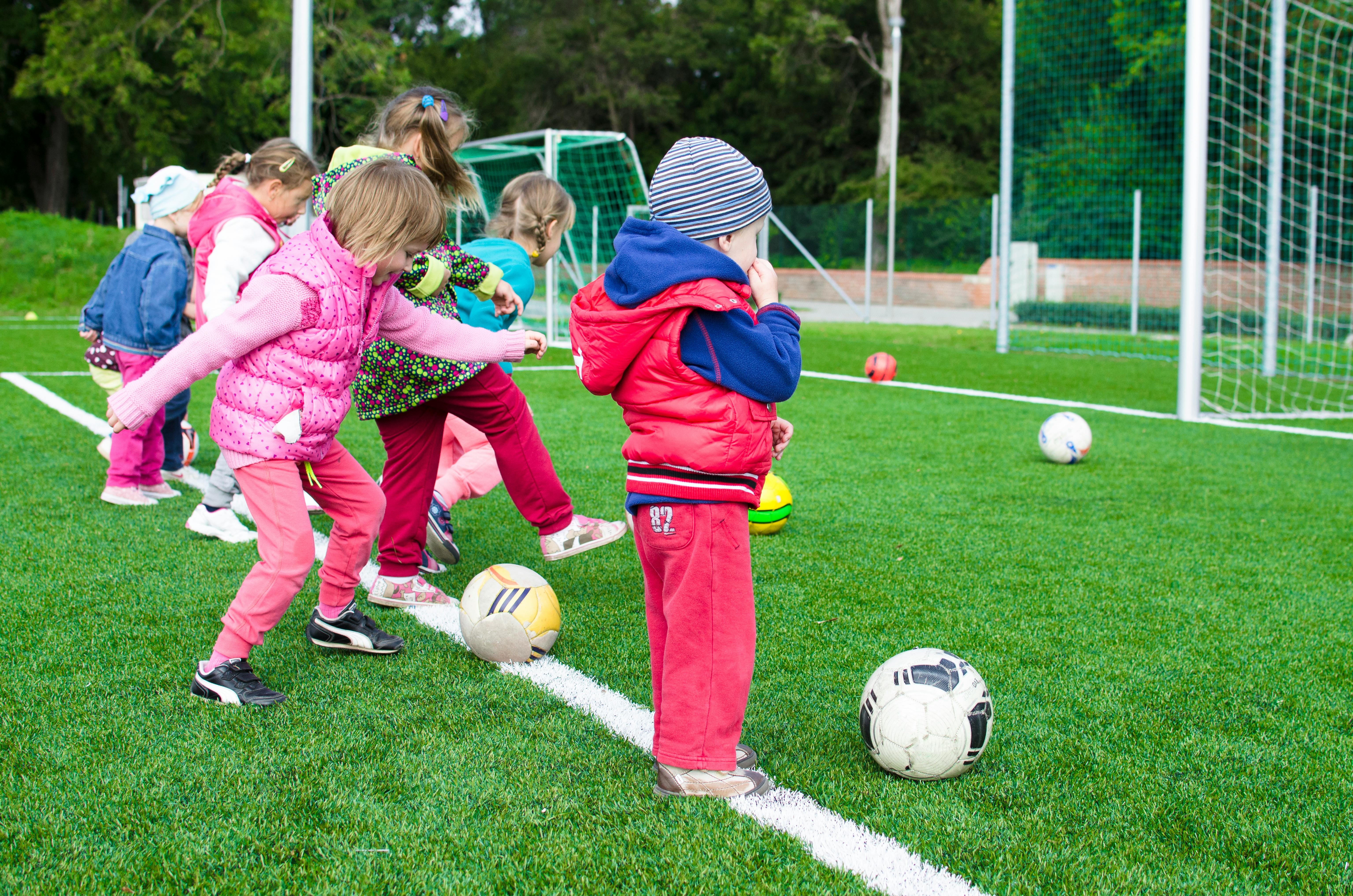
 Soccer Psychology for Kids: Build Confidence and Skill
As a coach who has spent years working with youth athletes, I have seen firsthand how the mental side of the game determines success more than physical talent alone. Soccer Psychology for Kids is not a luxury; it is a necessity for developing well-rounded players. When young athletes understand their own minds, they perform better under pressure and recover faster from mistakes. I have watched timid players transform into leaders simply by learning how to manage their emotions. This article provides a comprehensive framework for building confidence and technical skill through proven psychological principles. You will discover specific coaching drills for youth soccer confidence, methods for improving decision making in young soccer players, and strategies for how to teach resilience in youth sports. I will also outline soccer technical skills training for beginners alongside age appropriate soccer practice plans that integrate mental development. By the end, you will have a clear roadmap for nurturing both the mind and the body of every child on your team.
Understanding the Importance of Player Confidence
Confidence is the foundation upon which all soccer skills are built. Without it, even the most technically gifted player will hesitate in critical moments. I have observed that confident players attempt more passes, take on defenders, and recover quickly from errors. This psychological edge often separates good players from great ones. When a child believes in their ability, they engage more fully in training and matches. They ask questions, seek feedback, and push themselves beyond their comfort zone. Research from the Child Mind Institute indicates that children who feel confident in sports are more likely to develop lifelong healthy habits. This is not just about winning games; it is about fostering a positive relationship with physical activity.
The relationship between confidence and skill development is reciprocal. As players master new techniques, their confidence grows. In turn, higher confidence motivates them to attempt more challenging skills. I have seen this cycle play out countless times in practice. A young player who finally executes a proper inside-of-the-foot pass experiences a surge of pride. That pride fuels their desire to practice more, leading to further improvement. This positive feedback loop is essential for long-term development. Without deliberate attention to confidence, the opposite cycle can take hold. Repeated failure without support leads to frustration and disengagement. I have watched talented players quit the sport simply because they lost belief in themselves.
Confidence also affects a player’s willingness to take risks. In soccer, risk-taking is essential for creativity and growth. A confident player will try a through ball or a feint, even if it fails sometimes. A less confident player will play safe passes backward, limiting their development. I encourage coaches to celebrate the attempt, not just the outcome. When a child tries a difficult move, I make sure to acknowledge their courage. This approach builds a culture where players feel safe to experiment. Over time, this leads to more dynamic and unpredictable play. The American Psychological Association highlights that confidence is a key component of resilience, which is critical for navigating the ups and downs of youth sports.
The Role of Self-Efficacy in Youth Soccer
Self-efficacy, a term coined by psychologist Albert Bandura, refers to a person’s belief in their ability to succeed in specific situations. In youth soccer, self-efficacy determines how a player approaches a challenge. I have found that players with high self-efficacy set higher goals and persist longer in the face of difficulty. They view obstacles as opportunities to learn rather than threats to their ego. This mindset is cultivated through mastery experiences. When a child successfully dribbles past an opponent or scores a goal, their brain registers that success. Over time, these experiences accumulate into a robust sense of capability. I design practice sessions to provide frequent, achievable successes for every player, regardless of their current skill level.
One effective method for building self-efficacy is through progressive skill challenges. I break down complex techniques into small, manageable steps. For example, when teaching a drag-back turn, I first have players practice the motion without a ball. Then I add a stationary ball. Next, I introduce a slow-moving ball. Finally, the player performs the turn under light defensive pressure. Each step provides a small victory that reinforces their belief in their ability. This approach is central to age appropriate soccer practice plans. Younger players need more frequent successes, while older players can handle longer sequences of failure before achieving mastery. I always adjust the difficulty level to match the developmental stage of my players.
Identifying Factors Affecting Confidence Levels
Several factors influence a young player’s confidence, and understanding them is the first step toward intervention. The most significant factor is the quality of feedback they receive from adults. Criticism that focuses on effort rather than outcome builds confidence. For instance, saying “I liked how you kept trying to win the ball back” is far more effective than “You missed that tackle.” I have seen parents and coaches unintentionally undermine confidence by emphasizing mistakes. A single negative comment can undo hours of positive reinforcement. This is why I always model constructive feedback in my coaching. I also educate parents on how to support their children after games. The car ride home is a critical moment. I advise parents to ask open-ended questions like “What did you enjoy most?” rather than “Why didn’t you score?”
Social comparison is another powerful factor. Children naturally compare themselves to their peers, and this can be detrimental if not managed properly. I have observed that players who focus on outperforming teammates often experience anxiety and burnout. In contrast, players who focus on personal improvement maintain higher confidence levels. I combat social comparison by emphasizing individual progress. I keep personal goal sheets for each player and review them privately. This shifts the focus from being better than others to being better than yesterday. I also rotate positions and playing time to ensure every child has opportunities to contribute. When players feel valued for their unique strengths, their confidence flourishes.
Past experiences with failure also shape confidence. A child who has repeatedly struggled with a particular skill may develop a fixed mindset. They begin to believe they are simply “not good at soccer.” I have worked hard to counter this narrative. I share stories of professional players who faced early setbacks. For example, Lionel Messi was diagnosed with a growth hormone deficiency as a child. His success was not predetermined; it was built through resilience and support. I encourage my players to view failure as data, not judgment. Each mistake provides information about what needs to improve. This reframing is a core component of how to teach resilience in youth sports. I also use video analysis to show players their progress over time. Seeing tangible evidence of improvement is a powerful confidence booster.
Environmental Factors: Home and Team Dynamics
The environment surrounding a young player plays a crucial role in shaping their confidence. A supportive home environment where effort is praised and mistakes are normalized creates a secure base for exploration. I have seen children thrive when their parents attend games with a calm, encouraging demeanor. Conversely, parents who shout instructions from the sideline or criticize referees create anxiety. I hold a preseason meeting with parents to establish expectations. I explain that our goal is development, not winning at all costs. I provide them with a list of supportive phrases they can use. Simple statements like “I love watching you play” or “You worked hard today” can have a profound impact.
Team dynamics are equally important. A culture of inclusion and mutual respect boosts every player’s confidence. I establish team norms from the first practice. We discuss how we will treat each other, celebrate successes, and handle disagreements. I use team-building activities to strengthen bonds. For example, we do partner drills where players must communicate and coordinate. These exercises build trust and demonstrate that every player has value. When a player feels accepted by their teammates, they are more willing to take risks. I also address bullying or exclusion immediately. A single incident of teasing can destroy a child’s confidence for weeks. I maintain an open-door policy where players can report concerns anonymously. This creates a safe space for everyone.
Implementing Positive Reinforcement Techniques
Positive reinforcement is one of the most effective tools for building confidence in young soccer players. The principle is simple: behaviors that are rewarded are more likely to be repeated. However, the execution requires nuance. I focus on reinforcing effort, strategy, and teamwork rather than just goals or assists. For example, I praise a player who makes a run that pulls a defender out of position, even if they do not receive the pass. This teaches them that intelligent movement is valued. I also use specific praise instead of generic compliments. Saying “Great job tracking back to help your defender” is more meaningful than “Good game.” Specificity helps players understand exactly what they did well and encourages them to repeat it.
The timing of reinforcement is critical. Immediate feedback is most effective for young children because their attention span is limited. I deliver praise during the game or practice, not just after. A quick “Nice tackle!” or “Perfect weight on that pass!” reinforces the behavior in the moment. I also use non-verbal reinforcement like thumbs up, nods, and smiles. These subtle cues maintain momentum without disrupting the flow of play. I have found that players respond particularly well to public recognition. During team huddles, I highlight specific positive actions from the previous drill. This not only boosts the individual’s confidence but also sets a standard for the entire team. Over time, players begin to internalize these standards and reinforce each other.
Positive reinforcement must be balanced with constructive feedback. I use a technique called the “feedback sandwich.” I start with a positive observation, then offer a specific suggestion for improvement, and end with another positive statement. For instance, “Your first touch was excellent and set you up perfectly. Next time, try to look up before passing to see your teammate’s run. But I love how quickly you moved into space.” This structure ensures that the player feels supported while still receiving guidance. I avoid using negative language or comparisons. Instead of saying “Don’t kick the ball so hard,” I say “Try to use a softer touch so your teammate can control it easily.” This reframes the feedback as a positive instruction rather than a criticism.
Using Rewards Effectively
Rewards can be a powerful motivator, but they must be used carefully to avoid undermining intrinsic motivation. I use rewards that celebrate effort and improvement rather than outcomes. For example, I give a “Most Improved” award each month based on specific criteria like attendance, effort, and skill progression. This recognizes players who may not be the most naturally talented but are working hard. I also use non-material rewards like extra playing time, choosing the warm-up activity, or being team captain for a game. These privileges are earned through consistent positive behavior. I have found that players value these intangible rewards more than toys or candy. They represent recognition and status within the team.
I am careful to avoid over-rewarding. When rewards become expected, they lose their motivational power. I vary the type and timing of rewards to keep them meaningful. Sometimes I surprise the team with a fun activity after a particularly focused practice. Other times I give individual recognition during a team meeting. The key is to ensure that the reward is connected to specific, desired behaviors. I also involve players in setting reward criteria. At the start of the season, we brainstorm as a team what behaviors deserve recognition. This gives players ownership over the process and increases their buy-in. When a player earns a reward, they feel proud because they understand exactly what they did to achieve it.
Encouraging Goal Setting and Achievement
Goal setting is a powerful psychological tool that transforms vague aspirations into concrete action plans. I teach my players to set SMART goals: Specific, Measurable, Achievable, Relevant, and Time-bound. For example, instead of saying “I want to get better at dribbling,” a SMART goal would be “I will complete 10 successful dribbles past a cone in practice by the end of this month.” This clarity provides direction and a clear definition of success. I work with each player individually to set goals that are challenging yet attainable. Goals that are too easy do not motivate, while goals that are too difficult lead to frustration. Finding the right balance is an art that I have refined over years of coaching.
I categorize goals into three types: process, performance, and outcome. Process goals focus on the actions a player can control, such as “I will keep my head up while dribbling.” Performance goals focus on personal improvement, like “I will increase my pass completion rate by 10%.” Outcome goals focus on results, like “I will score five goals this season.” I emphasize process and performance goals because they are within the player’s control. Outcome goals often depend on external factors like the opponent’s skill or referee decisions. When players focus on process, they feel empowered regardless of the score. I have seen this shift dramatically improve confidence. A player who achieves a process goal feels a sense of mastery that carries over into games.
I also teach players how to track their progress. We use simple charts where they record daily practice activities and achievements. For younger players, I use stickers or stars to make tracking visual and fun. For older players, I introduce more detailed logs that include reflections on what worked and what did not. This practice builds self-awareness and accountability. I review these logs during one-on-one meetings every two weeks. During these meetings, we celebrate successes and adjust goals as needed. This ongoing dialogue ensures that goals remain relevant and motivating. I have found that players who track their progress are more engaged in practice and more resilient when facing setbacks. They can see that improvement is a gradual process, not an overnight transformation.
Age-Appropriate Goal Setting Strategies
Goal setting must be adapted to the developmental stage of the child. For players aged 6 to 8, I focus on simple, short-term goals that can be achieved in a single practice. For example, “I will try to stop the ball with my foot five times.” These goals are concrete and immediately rewarding. I use lots of verbal praise and tangible rewards like stickers. At this age, the goal is to build a positive association with practice and effort. I avoid any form of competition or comparison. Each child’s goal is personal and private. This prevents anxiety and fosters a love for the game.
For players aged 9 to 12, I introduce more complex goals that span a week or a month. I also begin to involve them in the goal-setting process. I ask questions like “What skill would you like to improve most?” and “How will you know when you have improved?” This autonomy increases their investment. I also introduce team goals, such as “We will complete 50 passes in a row during practice.” Team goals build cohesion and collective confidence. For teenagers aged 13 and up, I encourage long-term goals that align with their aspirations, whether that is making the high school team or earning a college scholarship. I also teach them how to break down long-term goals into monthly and weekly action steps. This executive function skill serves them well beyond soccer.
Building Resilience Through Adversity
Resilience is the ability to bounce back from setbacks, and it is a skill that can be taught. In soccer, adversity is inevitable. Players will miss penalties, lose important games, and face criticism. How they respond to these challenges determines their long-term success. I have developed a framework for building resilience that I integrate into every practice. The first step is normalizing failure. I openly discuss my own mistakes as a player and coach. I share stories of professional athletes who failed before achieving greatness. This destigmatizes failure and helps players see it as a natural part of growth. I also create practice scenarios that simulate adversity. For example, I start a scrimmage with a two-goal deficit. This forces players to practice maintaining composure and problem-solving under pressure.
The second step is teaching emotional regulation. Young players often lack the vocabulary and strategies to manage intense emotions. I teach simple breathing techniques that they can use during games. For example, the “box breathing” method involves inhaling for four seconds, holding for four seconds, exhaling for four seconds, and holding for four seconds. I practice this with the team before every game and during halftime. I also teach cognitive reframing, which involves changing the narrative around a setback. Instead of thinking “I always mess up,” I guide players to think “I made a mistake, but I can learn from it.” This shift in perspective reduces the emotional impact of failure and opens the door to improvement. The Positive Psychology program offers excellent resources on building resilience in athletes.
The third step is fostering a growth mindset. Coined by psychologist Carol Dweck, a growth mindset is the belief that abilities can be developed through dedication and hard work. I explicitly teach this concept to my players. I explain that their brain forms new connections every time they practice, just like a muscle grows when exercised. I praise effort, strategy, and persistence rather than innate talent. When a player says “I’m just not good at shooting,” I correct them: “You haven’t mastered shooting yet, but you can with practice.” This simple language change has a powerful impact. I have seen players who initially struggled with a skill eventually excel because they believed they could improve. This mindset is the bedrock of resilience because it frames challenges as opportunities for growth.
Handling Mistakes During Games
How a coach reacts to a player’s mistake during a game significantly affects their resilience. I have developed a protocol for handling errors that maintains the player’s confidence. Immediately after a mistake, I make eye contact with the player and give a calm, reassuring nod. This signals that I am not angry and that I trust them to recover. During the next stoppage, I pull the player aside briefly. I acknowledge the mistake without dwelling on it. I say something like “I saw you tried to play that pass quickly. Next time, take an extra touch if you need it.” Then I immediately redirect their focus to the next play. This approach prevents the player from ruminating on the error and keeps them engaged in the game.
After the game, I review mistakes in a team setting, but only if the player is comfortable. I always ask permission before showing a video clip of an error. This respects the player’s autonomy and prevents embarrassment. I frame the review as a learning opportunity for the entire team. I ask questions like “What could we do differently in this situation?” This shifts the focus from individual blame to collective problem-solving. I also make sure to highlight examples of players who recovered well after a mistake. This provides a positive model for the team. Over time, players internalize this approach and begin to self-correct during games. They learn to say “I made a mistake, but I can fix it.” This self-talk is a hallmark of resilience.
Fostering a Supportive Team Environment
A supportive team environment is the container within which all other psychological skills develop. Without it, individual confidence and resilience are difficult to sustain. I prioritize creating a culture of psychological safety where every player feels valued and respected. This begins with clear expectations for behavior. I establish team rules collaboratively at the start of the season. We discuss how we will communicate, celebrate, and handle conflict. These rules are posted in the locker room and referenced regularly. I model the behavior I expect, including apologizing when I make a mistake. This vulnerability builds trust and shows players that everyone is accountable.
I also structure practices to promote inclusion and cooperation. I avoid drills that eliminate players, such as “knockout” games where weaker players are quickly removed. Instead, I use drills that require teamwork and communication. For example, I run a possession game where the team must complete a certain number of passes before scoring. This requires every player to be involved and valued. I also rotate positions regularly so that every player experiences different roles. A defender learns what it is like to play forward, and vice versa. This builds empathy and understanding within the team. When players appreciate the challenges of different positions, they are more supportive of each other.
Peer support is a powerful force for confidence. I encourage players to recognize each other’s achievements. We have a “shout-out” segment at the end of each practice where players can acknowledge a teammate’s effort or improvement. This practice builds a habit of looking for the good in others. I have seen shy players blossom when they receive genuine praise from a peer. I also pair experienced players with less experienced ones during drills. This mentoring relationship benefits both parties. The mentor reinforces their own skills by teaching, while the mentee receives patient, individualized instruction. This peer-to-peer learning is often more effective than coach-led instruction because the communication is more relatable. The Edutopia research on supportive classroom cultures applies directly to sports teams. The same principles of belonging and mutual respect create an environment where students and athletes thrive.
Communication Strategies for Coaches
Effective communication is the glue that holds a supportive team environment together. I use a variety of communication strategies to ensure every player feels heard. I start each practice with a brief check-in. I ask players to rate their energy level on a scale of one to ten. This gives me insight into their mental state and allows me to adjust the practice accordingly. If a player is feeling low, I might give them extra encouragement or a leadership role. I also use “I” statements to express my observations without blame. For example, “I noticed that some passes were rushed during that drill. Let’s focus on taking an extra second to aim.” This phrasing is less confrontational and invites collaboration.
I also teach players how to communicate effectively with each other. We practice giving constructive feedback using the “sandwich” method I described earlier. We also practice receiving feedback with openness. I model accepting feedback by asking players for their input on practice activities. When a player suggests a change, I consider it seriously and explain my reasoning if I choose a different approach. This demonstrates that their opinions matter. I have found that players who feel heard are more engaged and more willing to listen to feedback themselves. This creates a virtuous cycle of open communication. I also hold regular one-on-one meetings with each player, even if only for five minutes. These meetings are a chance to connect on a personal level, ask about school or family, and discuss their goals. This investment in the relationship pays dividends in trust and motivation.
Conclusion
Building confidence and skill in young soccer players is a deliberate, ongoing process that requires attention to both the mind and the body. I have outlined a comprehensive approach that begins with understanding the importance of player confidence and identifying the factors that affect it. Positive reinforcement, goal setting, resilience training, and a supportive team environment are the pillars of this framework. By implementing these strategies, you can help young athletes develop not only as soccer players but as confident, resilient individuals. The coaching drills for youth soccer confidence and methods for improving decision making in young soccer players I have shared are practical tools you can use immediately. Remember that how to teach resilience in youth sports is as important as soccer technical skills training for beginners. Age appropriate soccer practice plans should always integrate these psychological principles. I encourage you to start small. Pick one strategy from this article and implement it in your next practice. Observe the impact on your players. Over time, these small changes will compound into a transformative experience for every child on your team.