
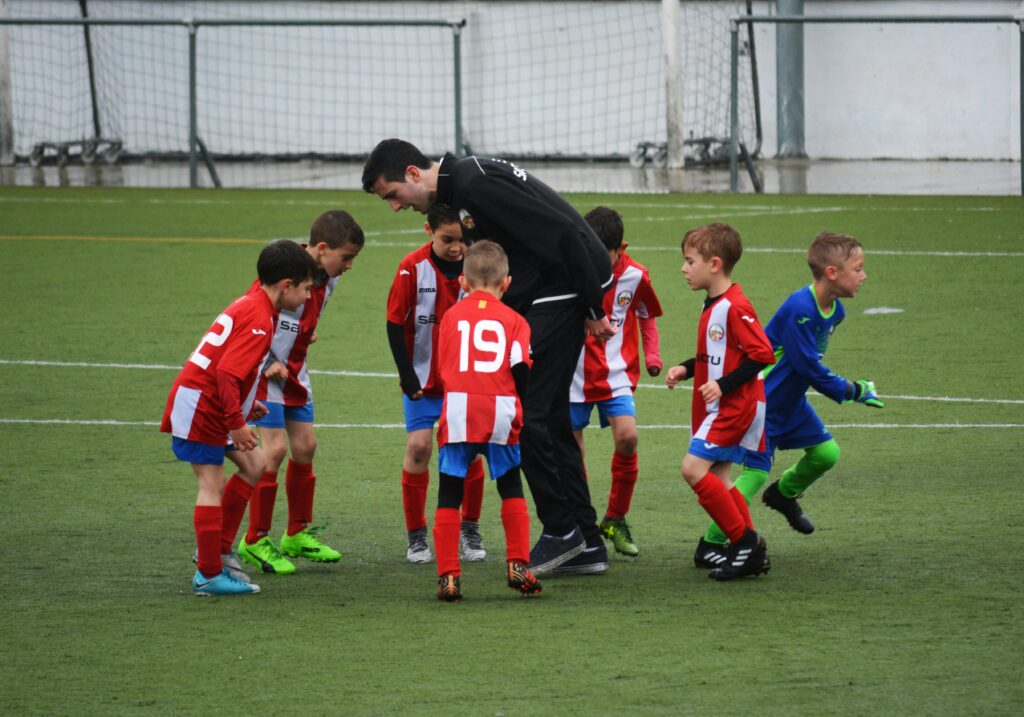
Youth Soccer Coaching Techniques: A Comprehensive Guide
Discover the essential youth soccer coaching techniques that can transform young players into skilled athletes. This comprehensive guide offers insights into fundamental skills development, motivational strategies, and practice planning. Whether you’re an experienced coach or new to the field, these techniques will help you effectively nurture talent and foster a love for the game.
The Importance of Youth Soccer Coaching
Youth soccer coaching plays a vital role in shaping the next generation of players. Coaches are not just instructors; they are mentors who influence the personal and athletic development of young athletes. Effective coaching can instill values like teamwork, discipline, and perseverance. These are critical traits that extend beyond the soccer field.
Moreover, youth soccer coaching requires a unique approach tailored to the needs of young players. Unlike adults, children need a nurturing environment that prioritizes learning and enjoyment over competition. This ensures a positive experience that encourages continuous participation and growth in the sport.
Statistics show that early involvement in sports can lead to better physical health and improved social skills. According to a study by the National Institutes of Health, young athletes who receive quality coaching are more likely to stay active into adulthood.
In conclusion, the impact of youth soccer coaching extends far beyond teaching soccer skills. It lays the foundation for lifelong engagement with sports and contributes to the overall development of young individuals.
Fundamental Skills Development
Developing fundamental soccer skills is crucial for young players. This includes basic techniques such as dribbling, passing, shooting, and defending. Mastery of these skills provides the foundation upon which more advanced techniques can be built.
Dribbling
Dribbling is one of the most essential skills in soccer. It allows players to maneuver the ball effectively while maintaining control. Coaches should focus on teaching correct footwork and body positioning. Practice drills such as the cone weave can enhance dribbling proficiency.
Passing
Passing is another vital skill that facilitates teamwork and strategy execution on the field. Teaching young players the various types of passes—short, long, and through balls—enhances their ability to communicate and collaborate during matches.
Shooting
Shooting drills help players develop accuracy and power. Coaches should emphasize the importance of using both feet and understanding different shooting techniques, such as volleys and half-volleys. Practicing these skills increases scoring opportunities during games.
Defending
Effective defending requires anticipation and tactical awareness. Coaches should teach players how to read the game, mark opponents, and intercept passes. Incorporating defensive drills into training sessions will improve players’ ability to prevent goals.
Creating Engaging Training Sessions
Engaging training sessions are essential for maintaining young players’ interest and motivation. Successful sessions incorporate a mix of drills, games, and feedback to create a dynamic learning environment.
Variety in Drills
Introducing a variety of drills keeps training sessions interesting and challenging. Rotating between different skill-focused exercises prevents monotony and ensures comprehensive skill development. Coaches can use resources like Soccer Coach Weekly for innovative drill ideas.
Small-Sided Games
Small-sided games simulate real match conditions and allow players to apply learned skills in a competitive setting. These games promote decision-making, teamwork, and strategic thinking. It’s important to adjust the game’s complexity based on players’ skill levels.
Feedback and Encouragement
Providing constructive feedback and encouragement boosts player confidence. Coaches should highlight strengths while offering actionable advice for improvement. Positive reinforcement fosters a supportive atmosphere that motivates players to strive for excellence.
Building Team Cohesion
Team cohesion is fundamental to a successful soccer team. It enhances communication, trust, and camaraderie among players, leading to a more harmonious and effective team dynamic.
Team-Building Activities
Implementing team-building activities outside of regular training helps strengthen relationships between players. Activities such as team outings or problem-solving challenges encourage collaboration and build rapport.
Effective Communication
Encouraging open communication among players is key to developing a cohesive team. Coaches should create an environment where players feel comfortable expressing ideas and concerns. Regular team meetings can facilitate this process.
Role Definition
Clearly defining each player’s role within the team helps avoid confusion and ensures everyone understands their responsibilities. This clarity enhances performance and accountability on the field.
Motivating Young Players
Motivation is a driving force behind a player’s desire to learn and improve. Coaches should employ techniques that inspire and engage young athletes, fostering a passion for the game.
Setting Achievable Goals
Establishing clear, achievable goals provides players with a sense of purpose and direction. Coaches should set both short-term and long-term objectives to maintain motivation and track progress.
Positive Reinforcement
Recognizing and celebrating achievements, no matter how small, reinforces positive behavior and effort. This approach builds self-esteem and encourages players to continue working hard.
Creating a Fun Environment
An enjoyable and relaxed training atmosphere is crucial for keeping players engaged. Incorporating fun elements like music or themed practice sessions can make training more enjoyable and memorable.
Player Confidence Boosting Techniques
Confidence is a critical component of player performance. Coaches can implement specific strategies to enhance self-assurance and empower young athletes to excel on the field.
Visualization Techniques
Teaching players to visualize successful outcomes can improve focus and reduce anxiety. Visualization exercises help players mentally rehearse scenarios, increasing confidence in their abilities.
Encouragement and Support
Consistent encouragement and a supportive coaching style foster a positive self-image. Coaches should strive to create a safe space where players feel valued and confident in their skills.
Skill Reinforcement
Reinforcing mastered skills through repetition and practice builds a player’s confidence. Familiarity with techniques increases comfort and reduces hesitation during matches.
Practice Planning Strategies
Effective practice planning is essential for maximizing training time and achieving desired outcomes. Coaches should consider several factors when designing practice sessions.
Structured Session Layout
A well-organized session layout ensures efficient use of time and resources. Dividing sessions into warm-up, skill development, and game-play segments creates a balanced approach to training.
Progressive Skill Development
Gradually increasing the complexity of drills aligns with players’ skill levels and keeps them challenged. Progressive skill development encourages continuous improvement and prevents stagnation.
Flexibility and Adaptability
Coaches should remain flexible and adaptable, ready to modify plans based on players’ needs and external factors. This adaptability ensures training remains relevant and effective.
Incorporating Fun and Learning
Balancing fun and learning is crucial for maintaining young players’ interest in soccer. Coaches can integrate educational elements into enjoyable activities, enhancing skill acquisition.
Game-Based Learning
Game-based learning combines instruction with play, making learning enjoyable and effective. Coaches can design games that emphasize specific skills, ensuring players learn while having fun.
Interactive Challenges
Interactive challenges stimulate players’ creativity and problem-solving abilities. These activities promote critical thinking and adaptability, essential skills for soccer success.
Creative Drills
Incorporating creative drills that mimic real-game scenarios enhances players’ understanding of the sport. Creativity not only improves technical skills but also adds excitement to training.
Conclusion
Youth soccer coaching techniques are pivotal in developing the next generation of players. By focusing on fundamental skills, team cohesion, and motivational strategies, coaches can create a nurturing environment that fosters growth and passion for the sport. This guide provides a comprehensive overview of the essential aspects of youth soccer coaching, empowering coaches to make a positive impact on young athletes’ lives.
Frequently Asked Questions
How can I keep young players motivated during training?
To keep young players motivated, incorporate fun elements into training sessions, set achievable goals, and provide positive reinforcement. Creating an enjoyable and supportive environment encourages continuous participation and effort.
What are some effective drills for improving dribbling skills?
Effective dribbling drills include cone weaves, zigzag runs, and 1v1 challenges. These exercises focus on footwork, ball control, and agility, helping players develop dribbling proficiency.
How do I handle conflicts within a youth soccer team?
Address conflicts by promoting open communication and understanding. Encourage players to express their feelings and work together to resolve issues. Team-building activities can also strengthen relationships and reduce tension.
What role does nutrition play in youth soccer training?
Nutrition significantly impacts players’ performance and recovery. A balanced diet rich in carbohydrates, proteins, and healthy fats provides the energy and nutrients necessary for optimal performance and development.
How often should youth soccer teams practice?
Youth soccer teams should practice two to three times a week, depending on players’ age and skill level. This frequency ensures adequate skill development while allowing time for rest and recovery.