
Youth Sports Performance Improvement: Strategies for Long-Term Success
Enhancing youth sports performance is a multifaceted journey that requires a blend of physical, nutritional, mental, and environmental strategies. Focusing on long-term athlete development ensures that young athletes not only achieve immediate success but also build a foundation for sustained progress. This article explores proven methods to elevate youth sports performance improvement by addressing key principles, growth stages, training techniques, nutrition, mental resilience, and supportive frameworks. Whether you are a coach, parent, or athlete, understanding these strategies will empower you to foster lasting development and minimize risks such as injury.
Key Principles of Long-Term Athlete Development
Long-term athlete development (LTAD) is a comprehensive framework designed to guide youth athletes through progressive stages of growth and skill acquisition. Unlike short-term training focused solely on winning, LTAD emphasizes balanced physical, mental, and social development that supports lifelong participation in sports.
Fundamental Movement Skills
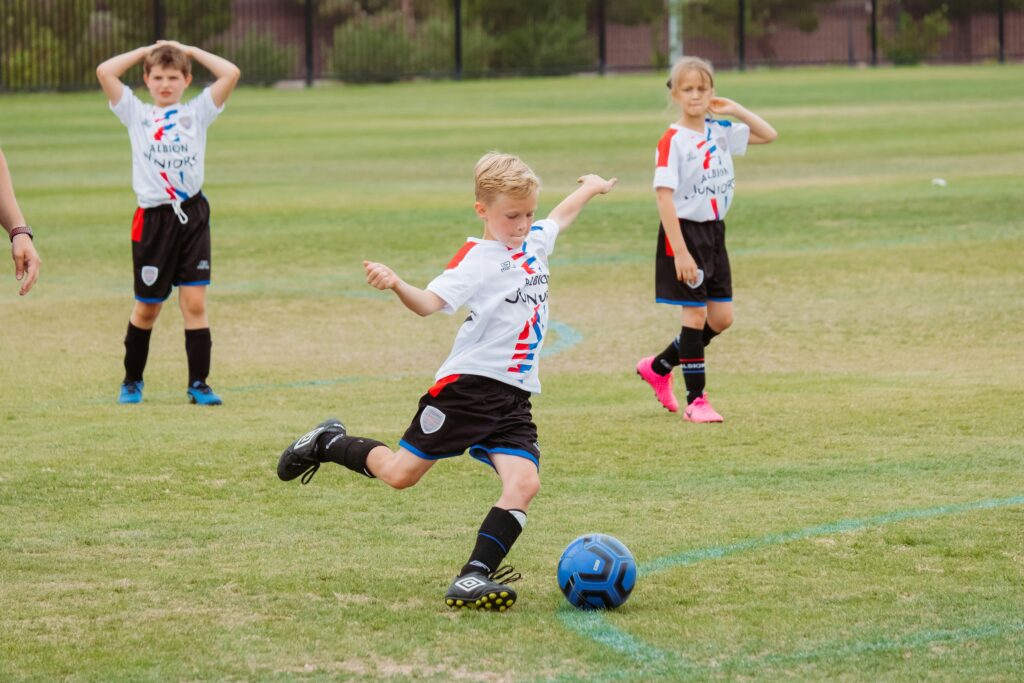
The foundation of youth sports performance improvement lies in mastering fundamental movement skills such as running, jumping, throwing, and catching. These skills are critical during early childhood and set the stage for sport-specific techniques later. For example, a soccer player with solid balance and coordination will learn dribbling and shooting more effectively.
Progressive Skill Development
Skill progression for youth sports should follow a structured plan that gradually increases complexity and intensity. For instance, a basketball player might first focus on dribbling with one hand, then both hands, followed by shooting from different distances. This approach prevents overwhelm and encourages confidence.
Age-Appropriate Training Loads
Managing training volume and intensity is essential to avoid burnout and injury prevention in youth sports. Younger athletes require lower intensity and shorter duration sessions, while older adolescents can handle more advanced conditioning. Coaches must tailor programs to individual maturity, not just chronological age.
Holistic Athlete Development
Long-term success depends on cultivating physical skills alongside mental toughness, nutrition, and social support. LTAD models integrate these components, ensuring athletes develop resilience, healthy habits, and teamwork abilities that extend beyond the playing field.
For more on long-term athlete development models, visit the Sport for Life Society.
Understanding the Stages of Youth Player Progress
Youth sports performance improvement requires recognizing the natural stages of athletic development, each with distinct goals and challenges. The LTAD framework typically divides progression into key phases:
- Active Start (-6 years): Focus on fun and basic movement skills.
- Fundamentals (6-9 years): Develop coordination, agility, and general sport skills.
- Learn to Train (9-12 years): Introduce sport-specific skills and basic tactics.
- Train to Train (12-16 years): Build aerobic capacity, strength, and advanced skills.
- Train to Compete (16-18 years): Maximize performance through specialized training.
- Train to Win (18+ years): Peak performance and elite competition focus.
Each stage aligns with physiological and psychological development, ensuring training remains effective and safe. For example, during “Train to Train,” young athletes experience puberty-related growth spurts, increasing injury risk without proper conditioning.
Transition Challenges
Transitions between stages require careful monitoring. Moving too quickly into high-intensity training can cause overuse injuries, while delayed progression may stunt skill acquisition. Coaches and parents must collaborate to identify readiness and adjust training accordingly.
Individual Variation
Not all athletes progress at the same rate. Biological age, motivation, and experience influence development pace. Personalized training plans that respect individual differences enhance youth sports performance improvement effectively.
Additional insights on athlete development stages can be found at the NCAA Sport Science Institute.
Physical Training Techniques for Young Athletes
Physical training is central to youth sports performance improvement but must be designed with safety and age-appropriate methods in mind. Effective programs balance strength, endurance, flexibility, and skill drills to create well-rounded athletes.
Strength and Conditioning
Contrary to outdated beliefs, resistance training is safe and beneficial for youth when supervised properly. Bodyweight exercises like squats, lunges, and push-ups build foundational strength without excessive strain. As athletes mature, light weights can be introduced gradually.
Agility and Speed Drills
Agility ladder drills, cone exercises, and shuttle runs enhance coordination and quickness. These drills improve reaction times critical for sports like soccer, basketball, and tennis. Incorporating multi-directional movements trains muscles for sport-specific demands.
Flexibility and Mobility
Dynamic stretching before activity prepares muscles for movement, while static stretching post-workout helps maintain flexibility. Young athletes benefit from yoga and mobility routines to reduce injury risk and improve range of motion.
Periodization and Recovery
Structured training cycles with planned rest days prevent overtraining. Recovery techniques such as foam rolling, adequate sleep, and hydration accelerate muscle repair and support mental freshness.
| Training Component | Recommended Age Range | Sample Exercise | Benefits |
|---|---|---|---|
| Strength | 8-12 years | Bodyweight squats | Builds muscle endurance and joint stability |
| Agility | 10-16 years | Ladder drills | Improves coordination and foot speed |
| Flexibility | All ages | Dynamic stretching | Prevents injuries and enhances mobility |
| Endurance | 12-18 years | Interval running | Increases cardiovascular capacity |
For detailed training plans, visit the American Council on Exercise.
Nutritional Guidelines for Long-Term Success
Nutrition plays a critical role in youth sports performance improvement. Proper fueling supports energy demands, recovery, and growth. Young athletes require balanced meals tailored to their activity levels and developmental needs.
Macronutrient Balance
Carbohydrates provide primary energy for training and competition. Protein supports muscle repair, especially after strength sessions. Healthy fats contribute to hormone regulation and brain function. A typical nutrition plan for young athletes includes:
- 55-65% carbohydrates (whole grains, fruits, vegetables)
- 15-20% protein (lean meats, dairy, legumes)
- 20-30% fats (nuts, seeds, olive oil)
Hydration Strategies
Dehydration impairs performance and increases injury risk. Athletes should consume water regularly before, during, and after exercise. For prolonged activity, electrolyte-rich drinks may be beneficial.
Meal Timing
Eating a balanced meal 2-3 hours before activity optimizes energy levels. Post-workout snacks containing protein and carbohydrates aid muscle recovery. For example, yogurt with fruit or a peanut butter sandwich can be convenient options.
Common Nutritional Pitfalls
Restrictive diets can hinder growth and performance. Avoid excessive sugar, processed foods, and skipping meals. Encouraging healthy eating habits early helps maintain energy and supports long-term athlete development.
| Nutrient | Function | Sources | Example Serving |
|---|---|---|---|
| Carbohydrates | Primary energy | Brown rice, bananas, oats | 1 cup cooked rice |
| Protein | Muscle repair | Chicken breast, beans, eggs | 3 oz chicken |
| Fats | Hormone production | Avocado, nuts, olive oil | 1 tbsp olive oil |
| Water | Hydration | Fluids, fruits | 8 oz glass |
Explore nutrition plans for young athletes at Academy of Nutrition and Dietetics.
Mental Toughness and Resilience Training
Developing mental strength is essential for sustained youth sports performance improvement. Mental coaching for youth athletes helps them manage pressure, maintain focus, and recover from setbacks.
Goal Setting and Motivation
Setting clear, achievable goals fosters motivation and tracks progress. Coaches should encourage athletes to set both short-term (e.g., mastering a skill) and long-term goals (e.g., earning a team spot). Celebrating milestones reinforces commitment.
Visualization and Focus Techniques
Imagining successful performance prepares the brain and body for competition. Guided visualization helps youth athletes build confidence. Mindfulness exercises improve concentration and reduce anxiety during games.
Stress Management
Teaching relaxation methods such as deep breathing mitigates performance anxiety. Encouraging open communication about emotions creates a supportive atmosphere where athletes feel safe discussing challenges.
Building Resilience After Injury
Injury prevention in youth sports is critical, but setbacks occur. Mental coaching supports athletes during recovery, helping them maintain positivity and adhere to rehabilitation programs.
Research on mental coaching benefits is available from the American Psychological Association.
Creating Supportive Environments for Youth Athletes
The social environment surrounding young athletes profoundly impacts their development and performance. Supportive settings promote enjoyment, learning, and healthy identity formation within sports.
Coach-Athlete Relationships
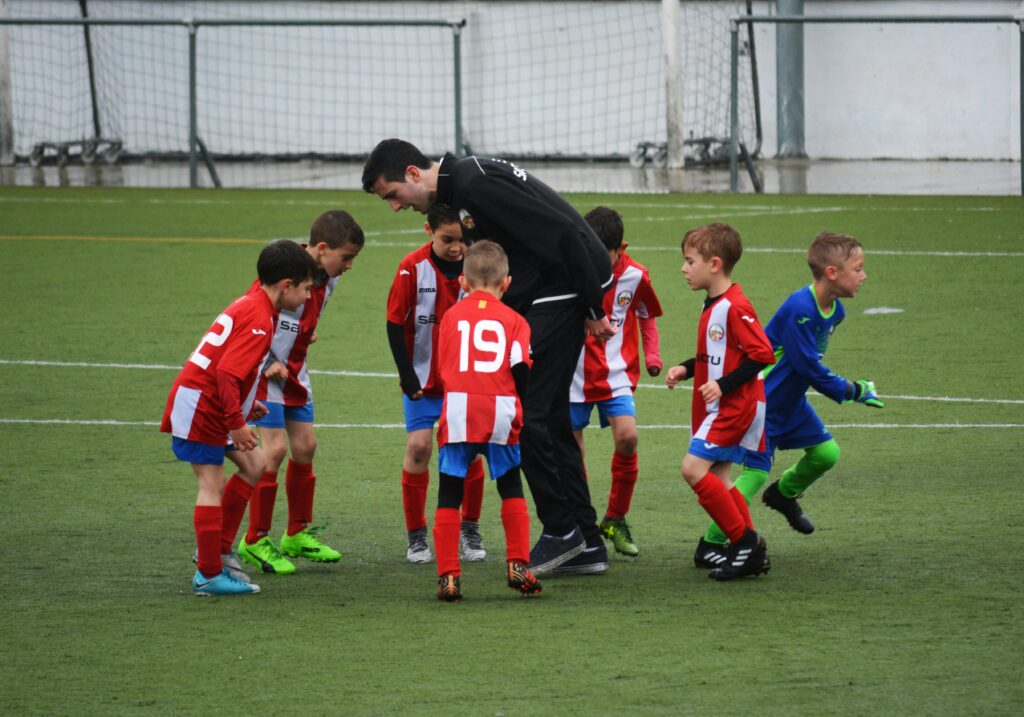
Positive coaching that emphasizes effort, respect, and constructive feedback encourages persistence and self-confidence. Coaches should foster autonomy, allowing athletes to take ownership of their development.
Parental Involvement
Parents play a vital role by providing emotional support and modeling healthy attitudes toward competition. Avoiding excessive pressure or criticism helps maintain athlete motivation and mental well-being.
Peer Interaction and Team Culture
Encouraging teamwork and camaraderie builds social skills and a sense of belonging. Inclusive team cultures reduce dropout rates and enhance performance through collective effort.
Access to Resources and Facilities
Providing quality equipment, safe practice spaces, and expert guidance ensures youth athletes can train effectively. Community programs that offer affordable access reduce barriers to participation.
| Support Element | Role | Impact on Athlete |
|---|---|---|
| Coach | Skill development, motivation | Improves confidence and technique |
| Parents | Emotional support, encouragement | Enhances enjoyment and persistence |
| Peers | Social bonding, teamwork | Builds communication and cooperation |
| Facilities | Training environment | Enables consistent and safe practice |
To learn more about creating positive youth sports environments, visit the Psychology Today article on Positive Coaching.
Conclusion
Youth sports performance improvement thrives on a balanced approach incorporating long-term athlete development principles, tailored physical training, sound nutrition, mental resilience, and supportive social environments. Emphasizing gradual skill progression, injury prevention in youth sports, and holistic growth fosters athletes who excel today and sustain success into adulthood. Applying these strategies consistently equips young athletes with the tools necessary for lifelong sports engagement and achievement.
Frequently Asked Questions
How can parents help prevent injuries in youth sports?
Parents can prevent injuries by encouraging proper warm-ups, ensuring rest days, promoting balanced nutrition, and supporting coaches who emphasize safe training techniques. They should also watch for signs of fatigue or pain and advocate for appropriate medical care when necessary.
What role does sleep play in youth athletic performance?
Sleep is crucial for recovery, growth, and cognitive function. Young athletes need 8-10 hours of quality sleep nightly to optimize physical performance, reduce injury risk, and maintain focus during training and competition.
Are mental coaching techniques suitable for very young athletes?
Mental coaching can be adapted for young children through simple strategies like positive reinforcement, visualization through storytelling, and teaching basic relaxation exercises to build focus and confidence early on.
What are signs that a youth athlete is ready to increase training intensity?
Indicators include consistent skill mastery, physical maturity, expressed motivation, and absence of injuries or excessive fatigue. Coaches should perform regular assessments and monitor athlete feedback before progressing intensity.
How can youth sports programs incorporate nutrition education?
Programs can include workshops for athletes and parents, provide meal planning resources, and collaborate with nutrition professionals to teach balanced eating habits tailored to training demands.