
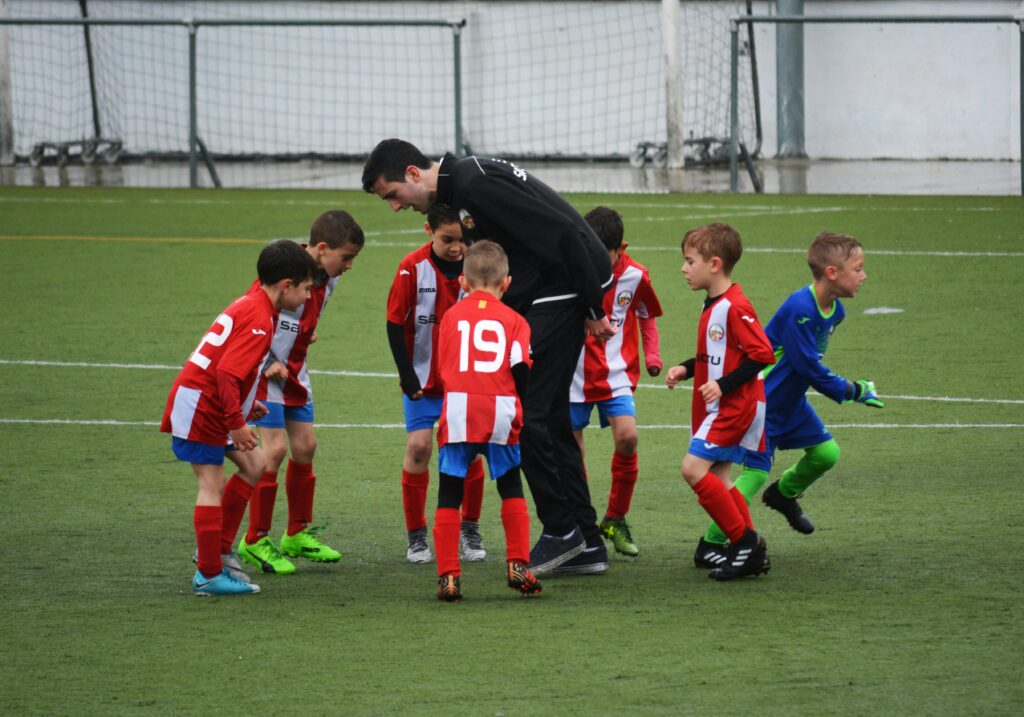
Youth Soccer Development Strategies for Building Confident Players
Developing confident youth soccer players requires a thoughtful blend of physical, mental, and technical training. True confidence comes from skill mastery, positive coaching, and experiences that help young athletes believe in themselves. When players feel confident, they perform better, communicate more effectively, and develop a lifelong passion for the game.
This guide breaks down the most effective youth soccer development strategies—covering long‑term development, growth mindset, physical and mental training, program design, nutrition, technology, progress tracking, and resilience. Coaches, parents, and program directors will find actionable insights to help young athletes thrive on and off the pitch.
⚽ Key Principles of Youth Player Development
Youth soccer development must prioritize long‑term growth over short‑term wins. The foundation of confident players rests on four core principles:
1. Long‑Term Athlete Development (LTAD)
Players should progress gradually based on age, maturity, and skill level.
-
Ages 6–9: ball control, coordination, fun
-
Ages 10–13: technical refinement, agility, small‑sided games
-
Ages 14+: strength, conditioning, tactical understanding
This ensures players build fundamentals before facing complex tactics or competitive pressure.
2. Positive, Supportive Environment
Confidence grows when players feel safe to try, fail, and improve.
-
Celebrate effort
-
Praise improvement
-
Reduce fear of mistakes
-
Encourage teamwork and creativity
3. Holistic Skill Development
Blend technical, tactical, physical, and mental training.
The best youth drills combine:
-
Ball mastery
-
Spatial awareness
-
Decision‑making
-
Pressure management
4. Individualized Coaching
Every child develops differently. Personalized plans help players grow without burnout or injury.
🧠 Understanding the Growth Mindset in Young Athletes
A growth mindset—the belief that ability improves through effort—transforms how young players handle challenges.
From your document:
“Encouraging a growth mindset helps young athletes embrace learning opportunities and persist through difficulties.”
Coaches can reinforce this by:
-
Praising effort, not talent
-
Normalizing mistakes
-
Setting achievable goals
-
Modeling learning behavior
-
Giving specific, constructive feedback
Players with a growth mindset show higher resilience, motivation, and long‑term performance.
💪 Physical & Mental Training Techniques for Youth Soccer Players
Youth athletes need balanced physical conditioning and mental training to build confidence and perform consistently.
Physical Training: Strength & Conditioning
Training must be age‑appropriate, technique‑focused, and safe.
Key Components
-
Bodyweight strength: squats, lunges, push‑ups
-
Agility drills: ladders, cones, quick‑feet patterns
-
Balance & core: planks, single‑leg stands
-
Endurance: moderate aerobic work
Example from your document:
“A 12-year-old player might perform a circuit of bodyweight squats, ladder footwork, planks, and light jogging.”
This builds confidence through physical capability and injury prevention.
Mental Training for Youth Soccer Success
Mental skills are essential for confidence, focus, and resilience.
Techniques
-
Visualization
-
Goal setting
-
Mindfulness & breathing
-
Positive self-talk
Pre‑game visualization is especially powerful for reducing anxiety and priming players for success.
🏫 Creating Effective Youth Athletics Programs
Strong programs create confident players by combining structure, support, and age‑appropriate challenges.
Key Elements
-
Age‑appropriate curriculum
-
Qualified coaches
-
Balanced competition
-
Positive parental involvement
-
Inclusive team culture
Sample Program Structure
-
Warm‑up: 10–15 minutes
-
Technical drills: 20–30 minutes
-
Tactical exercises: small‑sided games
-
Strength & conditioning: twice weekly
-
Cool‑down & reflection
This structure builds skills, confidence, and enjoyment.
🍎 Nutritional Guidelines for Young Athletes
Nutrition fuels growth, performance, and recovery.
Core Guidelines
-
Balanced macronutrients
-
Consistent hydration
-
Smart pre‑practice snacks
-
Limited processed foods
Sample Daily Meal
-
Breakfast: whole grain cereal + banana
-
Snack: yogurt + berries
-
Lunch: grilled chicken sandwich + vegetables
-
Pre‑practice: apple + peanut butter
-
Dinner: rice + vegetables + lean protein
Educating players on nutrition builds lifelong healthy habits.
📱 Using Technology in Youth Player Development
Technology enhances training quality and confidence through objective feedback.
Tools That Help
-
Wearables & GPS trackers: movement, intensity, heart rate
-
Video analysis: technique breakdowns
-
VR/AR training: decision‑making & spatial awareness
-
Mental training apps: mindfulness, visualization
-
Fitness apps: personalized workouts
From your document:
“Integrating technology thoughtfully into youth soccer programs enhances training quality, personalizes development, and engages players in new ways.”
📊 Measuring Success: Tracking Player Progress
Tracking progress builds confidence by showing players their improvement.
Quantitative Metrics
-
Dribbling
-
Passing accuracy
-
Shooting precision
-
Agility
-
Endurance
Qualitative Metrics
-
Communication
-
Teamwork
-
Attitude
-
Resilience
Tools
-
Spreadsheets
-
Journals
-
Video review
-
Performance apps
Adjusting training based on data ensures steady development.
🔥 Building Resilience in Youth Athletes
Resilience is the ability to bounce back from mistakes and challenges—critical for confidence.
How to Build It
-
Emotional regulation (breathing, self-talk)
-
Problem-solving scenarios
-
Supportive team culture
-
Celebrating effort and progress
From your document:
“Resilient youth athletes exhibit higher motivation and better coping mechanisms.”
🏁 Conclusion
Youth soccer development strategies that blend physical conditioning, mental training, positive coaching, nutrition, technology, and resilience create confident, capable players. By focusing on long‑term growth and personalized development, coaches and parents help young athletes unlock their full potential and build a lifelong love for the game.